GROUP Visit to the museum exposition on the island of St. Anastasia
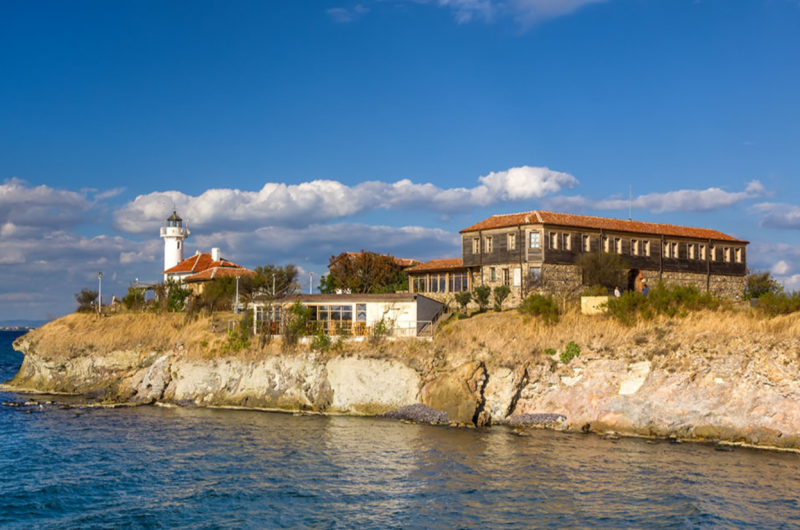
Price - BGN 6. Duration - 1 hour Discover the history of St. Anastasia Island! The museum exposition consists of separate rooms that tell historical facts, as well as the legends associated with the unique island. IMPORTANT - Travel to St. Anastasia with the municipal catamarans "Anastasia" and "Burgus", which sail from Shop 1 of the Port of Bourgas. During the summer season, ships depart at 10:00, 13:30 and 17:00. Tickets are purchased before departure at the tourist information center in the store. The stay on the island is 2 hours. Catamarans do not travel in bad weather, potentially dangerous for passengers! Phone for information - 0882 004 124
Visit to the museum exposition on the island of St. Anastasia
Discover the history of St. Anastasia Island! The museum exposition consists of separate rooms that tell historical facts, as well as the legends associated with the unique island. IMPORTANT - Travel to St. Anastasia with the municipal catamarans "Anastasia" and "Burgus", which sail from Shop 1 of the Port of Bourgas. During the summer season, ships depart at 10:00, 13:30 and 17:00. Tickets are purchased before departure at the tourist information center in the store. The stay on the island is 2 hours. Catamarans do not travel in bad weather, potentially dangerous for passengers! Phone for information - 0882 004 124
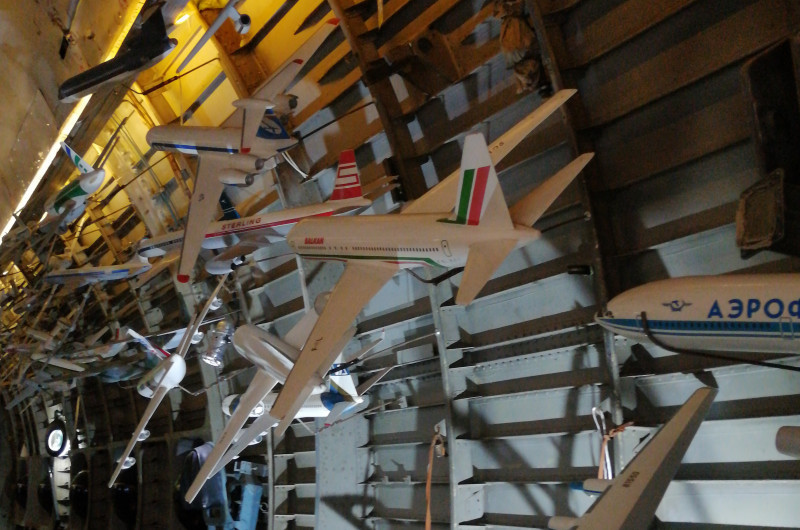
Price: Talk in Bulgarian - BGN 20. Talk in English / Russian - BGN 50 * The ticket is valid during the working hours of the museum! The newest attraction of the Municipality of Bourgas is located at the entrance of Bourgas Airport and is close to Sarafovo. Every visitor can get there by public transport bus (№ 15), bicycle or personal car, all with safe and easy access. During the winter period (November-April) the museum will be open from 09:00 to 17:00. no day off.
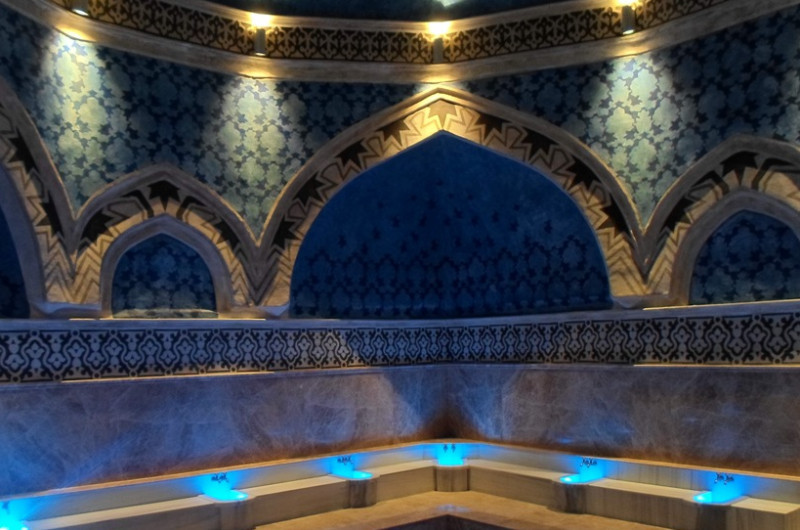
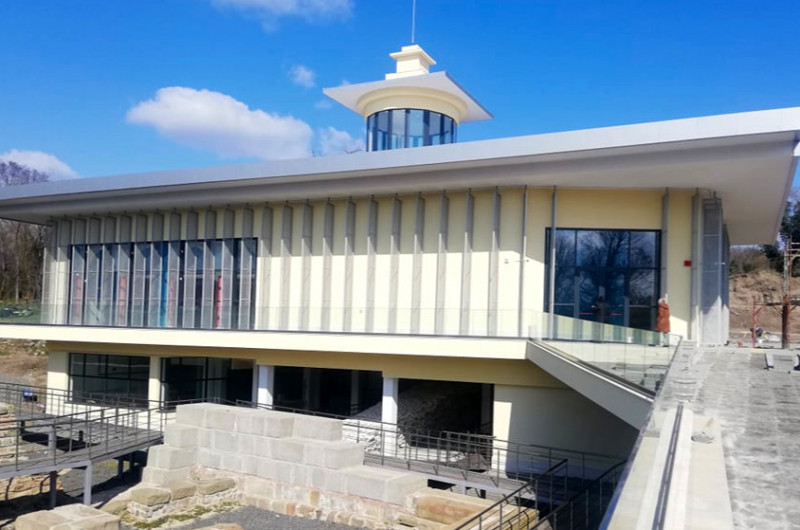
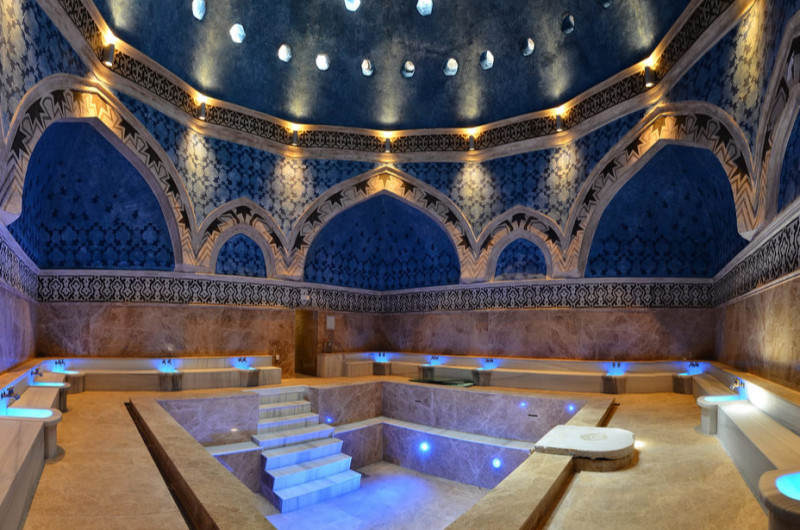
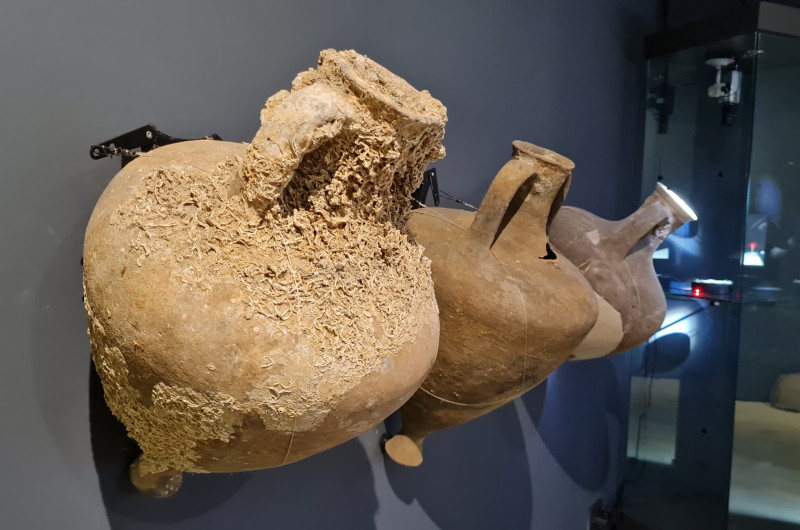
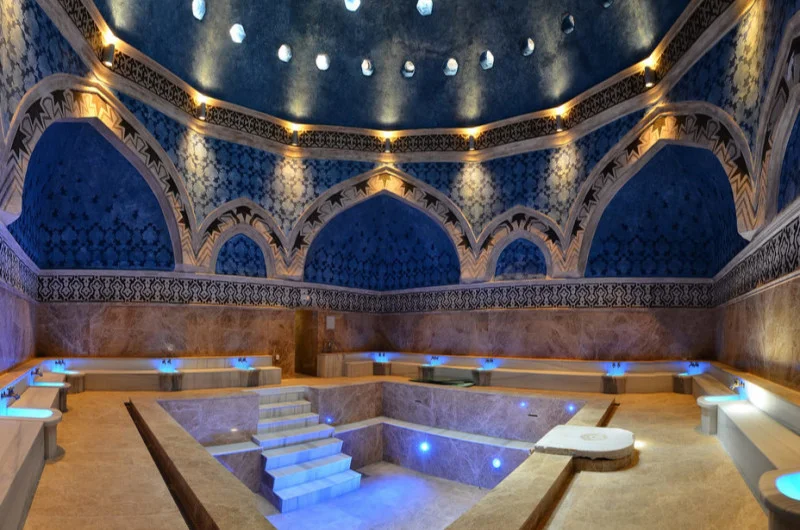
Aquae Calidae is an attractive and unique historical site in Burgas, which is developing as a modern cultural and tourist centre. The place, which has gathered thousands of years of history, attracts its visitors with many different opportunities for relaxation and entertainment. The Roman Baths of the Thermae, the Roman Baths of the Thracian period with hot and cold pools, and various medieval rooms are accessible to tourists through the modern walkways, which make them easier to pass and see. The beginning of the tourist tour of the museum complex starts from the exhibition level, which includes artifacts found in Aquae Calidae - gold coins and jewelry, lead seals, bath implements, ceramics, marble decorative details and inscriptions, cult objects. The walk continues to a virtual area where visitors can enter beautiful virtual Roman baths, among pools and statues, where they can find secret magic or have fun on an interactive floor, and after passing through the chronicle room, continue their walk among real authentic ruins of buildings from Roman and Byzantine times. The complex allows the citizens and guests of Burgas to visit the fully restored bath of Suleiman the Magnificent. During its restoration, the original vision has been faithfully preserved, it is lined with marble and the typical Oriental ornamentation. Its authenticity is complemented by natural and artistic lighting. It serves as a working museum where visitors can watch a film created on the basis of 3D mapping. It takes tourists on a virtual walk from the time of the Thracians and the legend of the Sacred Spring of the Three Healer Nymphs, through the Roman era, the Crusades - to the time of Suleiman the Magnificent.
Chengene Skele CTC - tickets for museum exhibitions
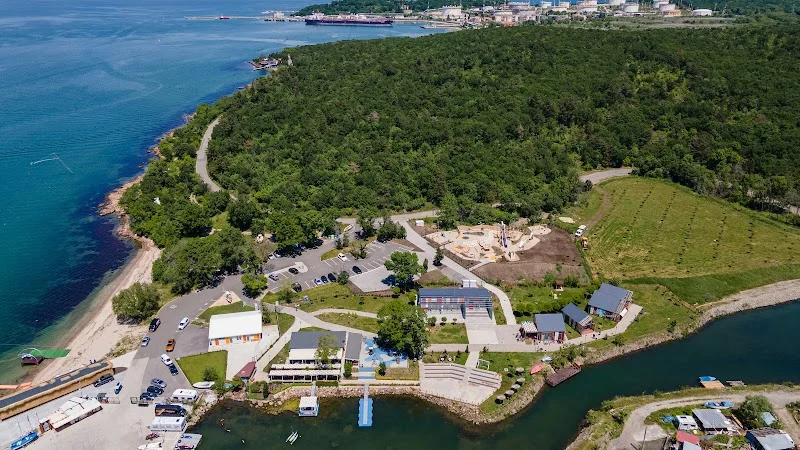
Working Hours: 10:00 to 18:00* *the working hours are valid only for the museum exposition The restaurant and café are open from 10:00 until 21:00 and 20:00 respectively Everyone knows that fishing plays an important role in the livelihood of people on the Black Sea coast. It is mostly done along the coast, as there are the most fish - local and passage. The tradition of fishermen is still preserved in a village south of Burgas at the bottom of the bay Gypsy Pier, or as it is better known, Chengene Skele. On the last arm of the village is built Cultural and Tourist Complex "Chengene Skele", which promotes fishing and traditions. The complex consists of exhibition houses, a sailor's coffee club, a fish restaurant, a multifunctional hall for exhibitions and events, a park space and a playground. Here the story of the Burgas Bay is told, and local fishermen demonstrate typical practices such as netting and boat building.
Venue: Cultural and Tourist Complex Chengene skele
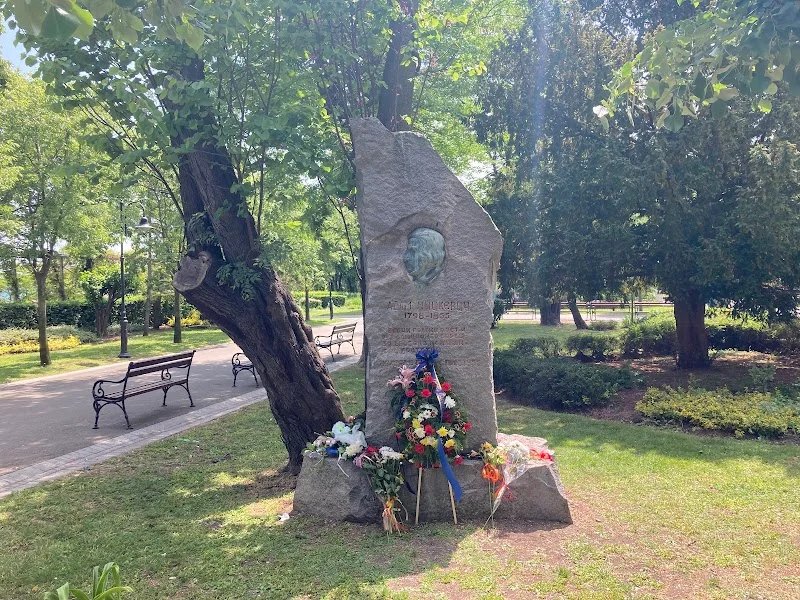
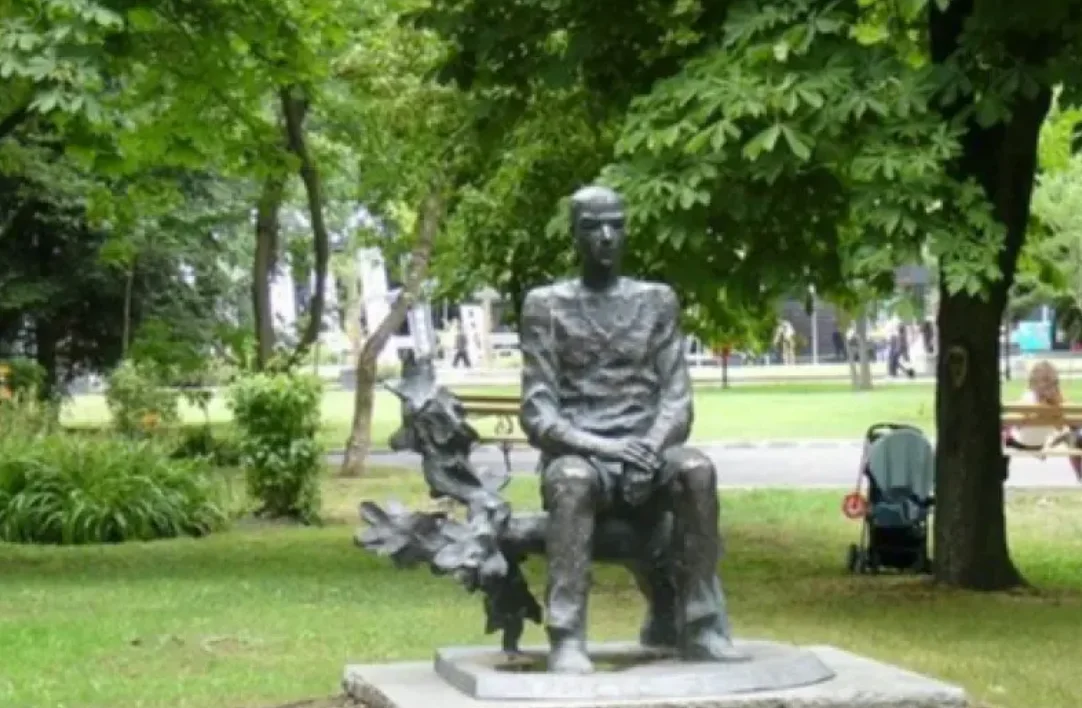
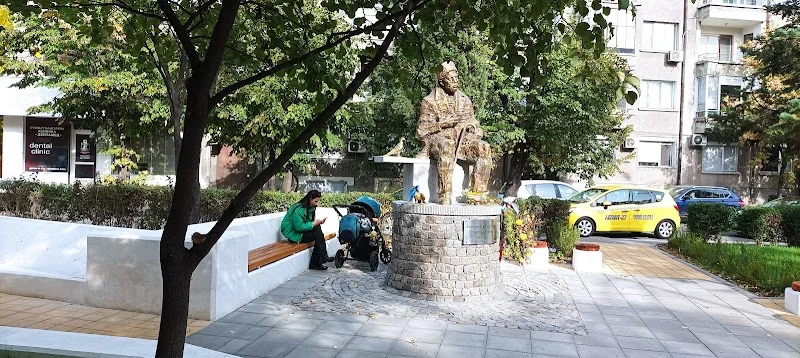
Towering over Burgas' bustling city center, the statue of Adam Mickiewicz stands as a testament to the enduring legacy of Poland's renowned poet and national hero. Featuring the iconic figure in a contemplative pose, this striking landmark offers a glimpse into the rich cultural ties between Bulgaria and its eastern European neighbor, inviting visitors to explore the shared histories and literary traditions that have shaped the region.
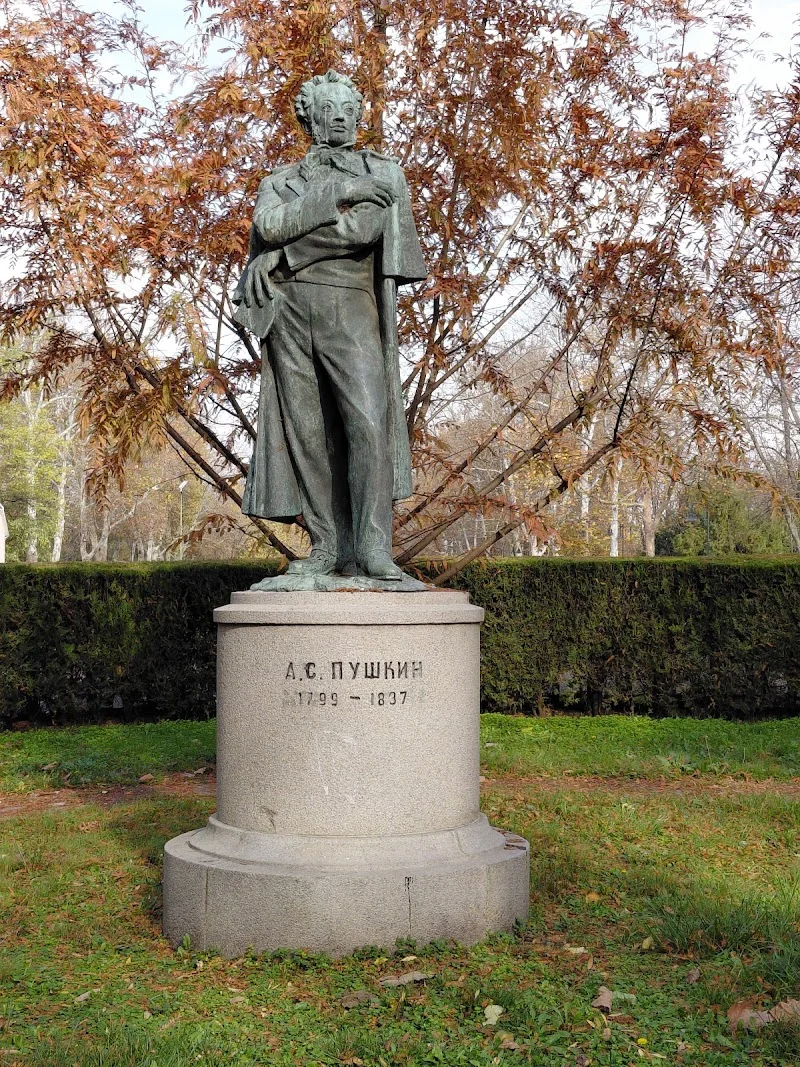
Alexander Sergeyevich Pushkin (1799–1837) is regarded as the father of modern Russian literature and one of the greatest poets in world history. Works such as Eugene Onegin, Boris Godunov, Ruslan and Lyudmila, and A Feast During the Plague have long been established as world classics. His connection to Burgas is a fascinating one — his son, General Alexander Alexandrovich Pushkin, commanded the 13th Narva Hussar Regiment, part of Lermontov's "flying detachment," which liberated the city from Ot
The cultural figures of Bulgaria have always occupied their great and deserved place in the spiritual life of Bulgaria and Burgas. Some of the most talented Bulgarian artists are natives of Burgas, who left a bright mark on the cultural heritage of Bulgaria. The alley was created in the 90s of the 20th century. Here are placed the busts of Nikolay Luskov (1910-1944), Velislav Dramov (1919-1944), Asen Zlatarov (1885-1936), Adam Mitskevich (1798-1855). The monuments of the great Hristo Fotev and
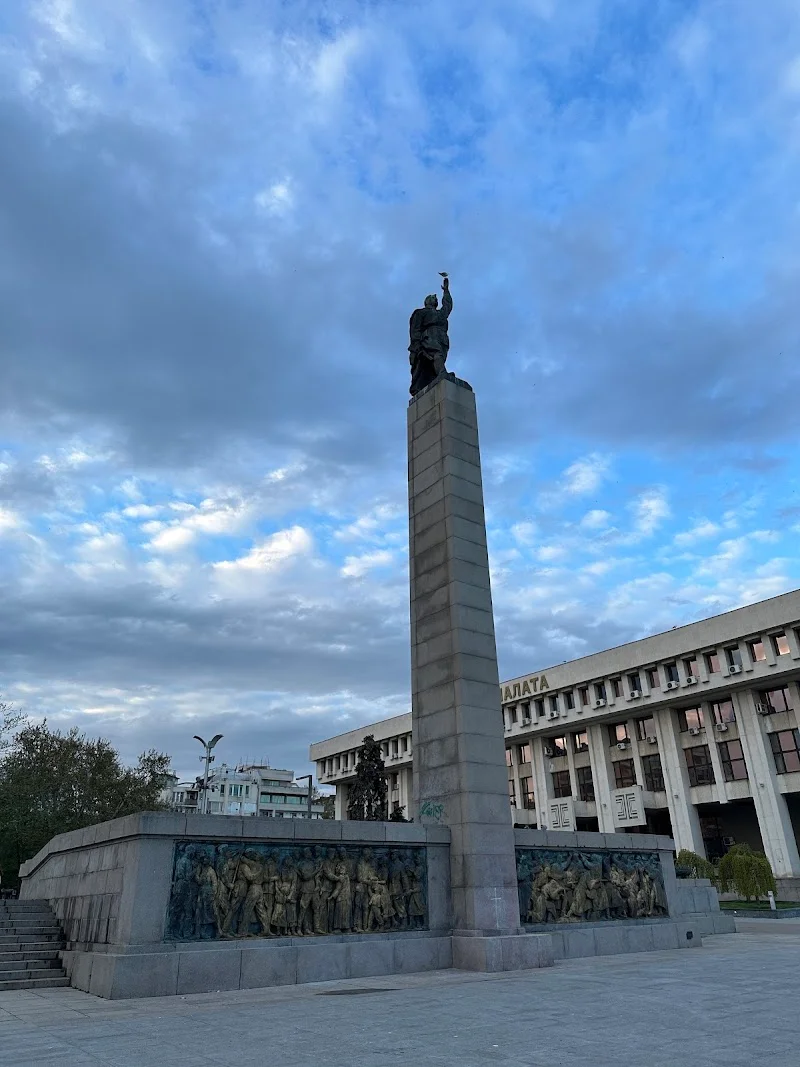
The Monument to the Soviet Army, known by the name Alyosha, is situated on Troykata Square and stands as one of the most recognizable landmarks in Burgas. The sculpture depicts a Soviet soldier with his left arm raised toward the sky and reaches a height of approximately 18 metres. The reliefs adorning the monument portray scenes from the Second World War, as well as the welcoming of Soviet Army soldiers upon their arrival in Burgas. Build between 1952 and 1953, the monument is the work of arch
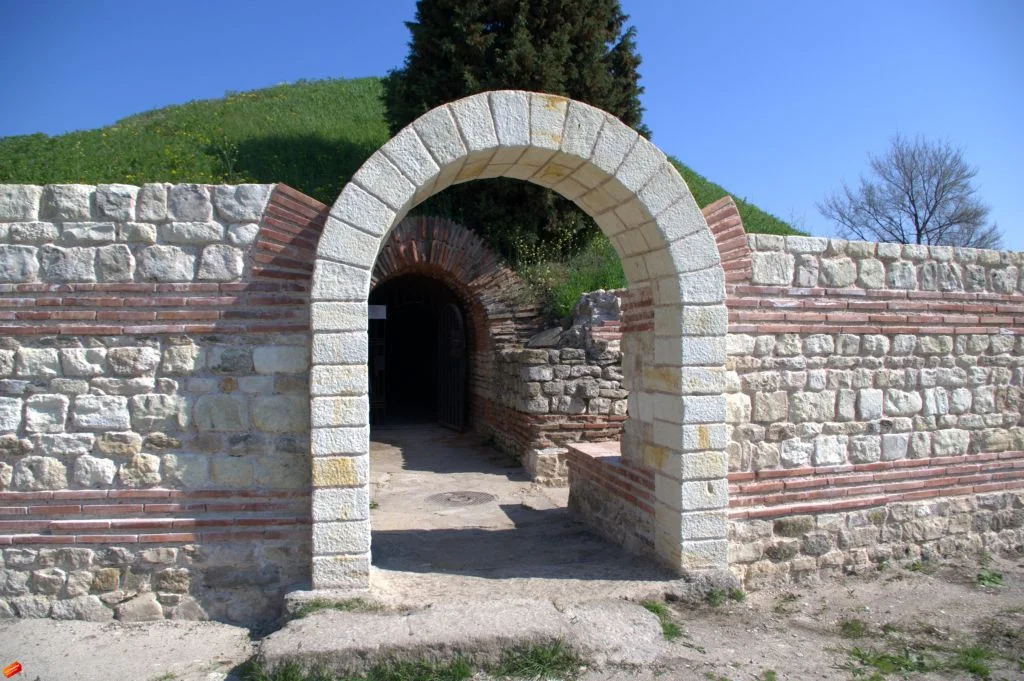
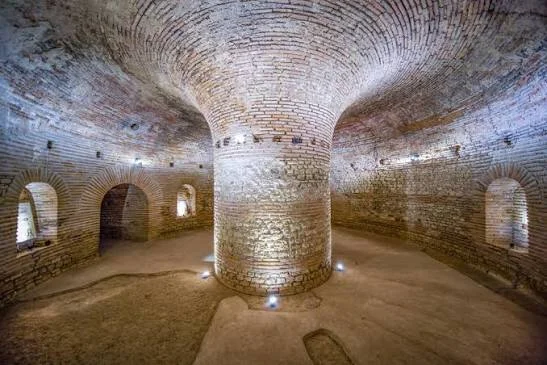
Located at the entrance to the town, it is a monument of national significance dating back to the 2nd–4th centuries AD. The site is distinguished by its unique hollow column, which widens towards the top like a mushroom.
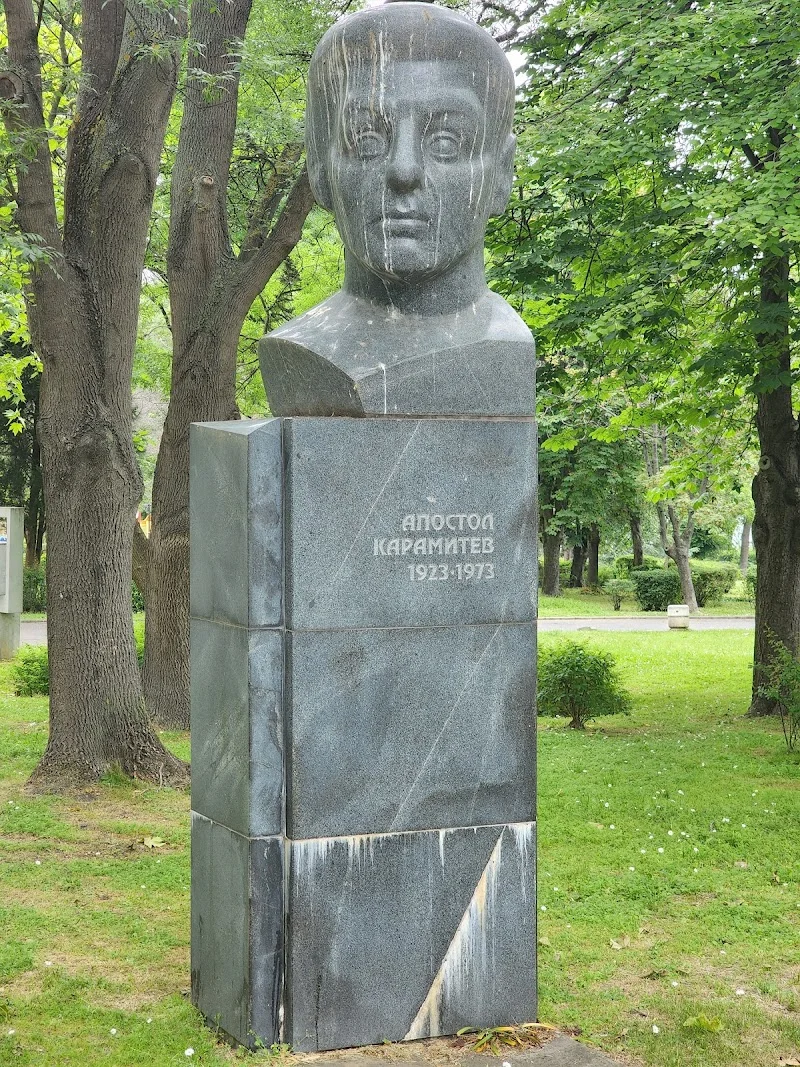
Nestled in the heart of Burgas, the Apostol Karamitev monument stands as a testament to the city's rich history and cultural heritage. Dedicated to a prominent 19th-century Bulgarian merchant and philanthropist, this striking landmark offers visitors a glimpse into the region's past, while also serving as a gathering place for locals and tourists alike to appreciate the city's architectural beauty and vibrant atmosphere.
Here is the professional English translation: This place, steeped in thousands of years of history, draws its visitors with a wide variety of opportunities for relaxation and entertainment. The archaeological treasures discovered on the site — the fortress walls of the ancient city of Therme (Thermopolis), the Roman baths from the 1st century AD with warm and cold pools, and various medieval chambers — are accessible to tourists via purpose-built modern walkways that facilitate movement and exp
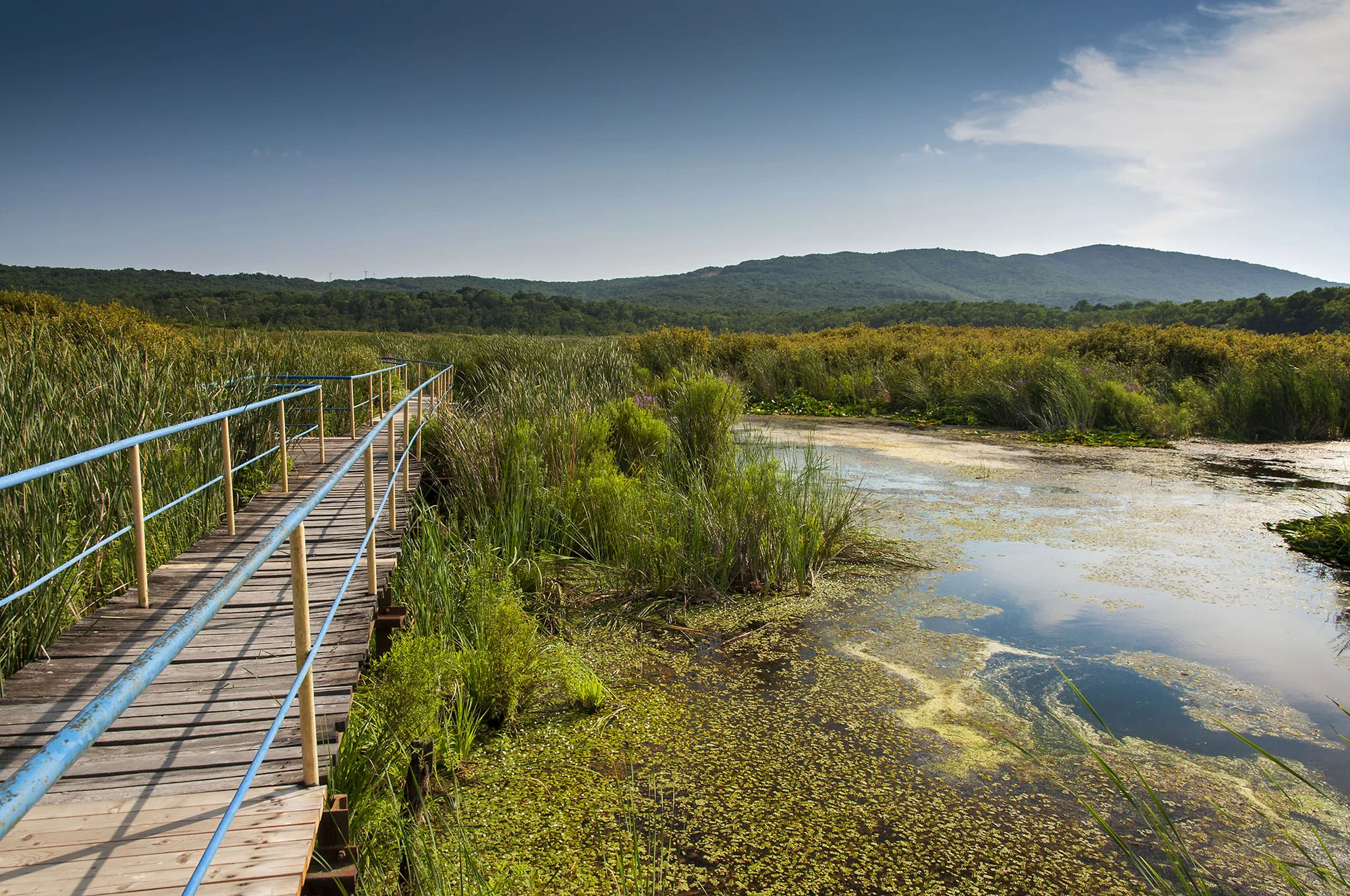
Arkutino or Mecheshkoto blato is a protected area, part of the Ropotamo reserve, known for its pure nature and rare plants, such as sand lily and the beautiful white water lily. The area includes a magnificent longose forest, sand dunes and a water area - the Arkutino swamp. Various types of duckweed, marsh snowdrop, hedgehog head, rustling are found here, and one of the richest deposits of yellow water rose is also here. Arkutino is the main intermediate stop for birds on the Via Pontica migr
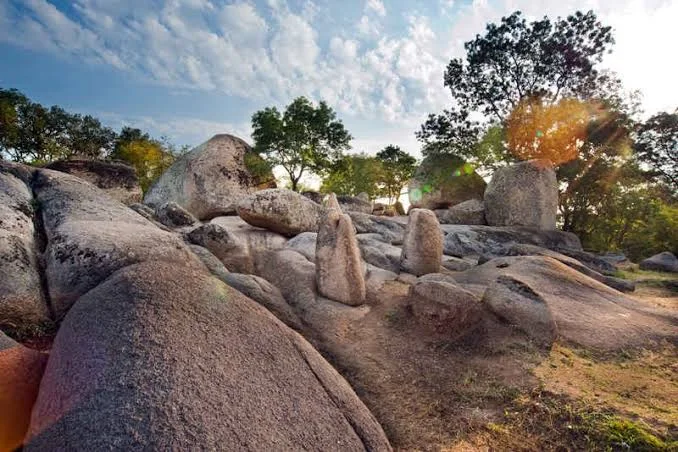
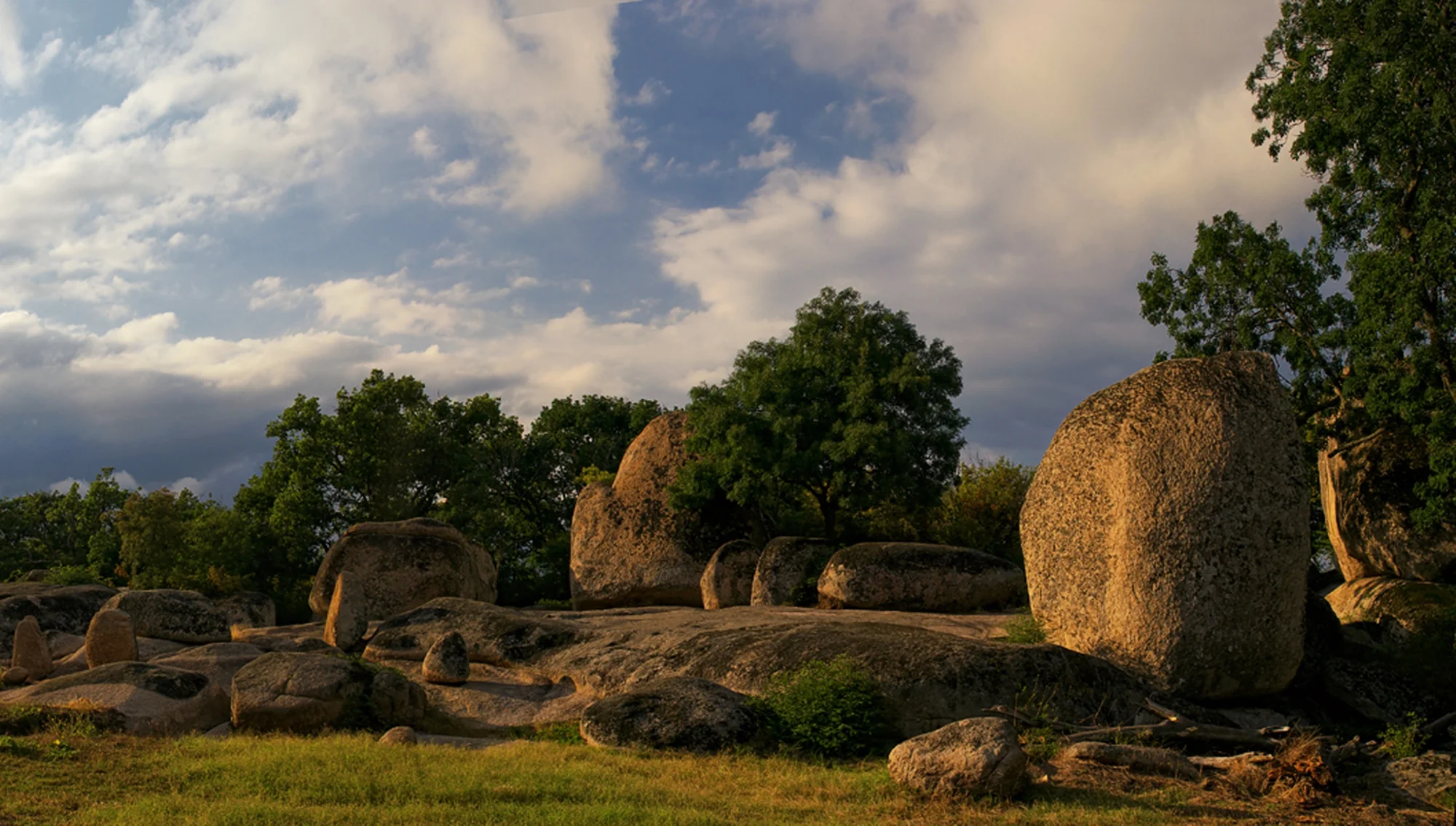
Beglik Tash is an ancient Thracian megalithic observatory and sanctuary, often referred to as the “Bulgarian Stonehenge.” It is located about 5 km from the town of Primorsko, deep within a beautiful oak forest in the Ropotamo Nature Reserve. Dating back to the late Bronze Age (14th century BC), the sanctuary was a centre of mystical Thracian rituals associated with the worship of the Sun, the Mother Goddess, and fertility.
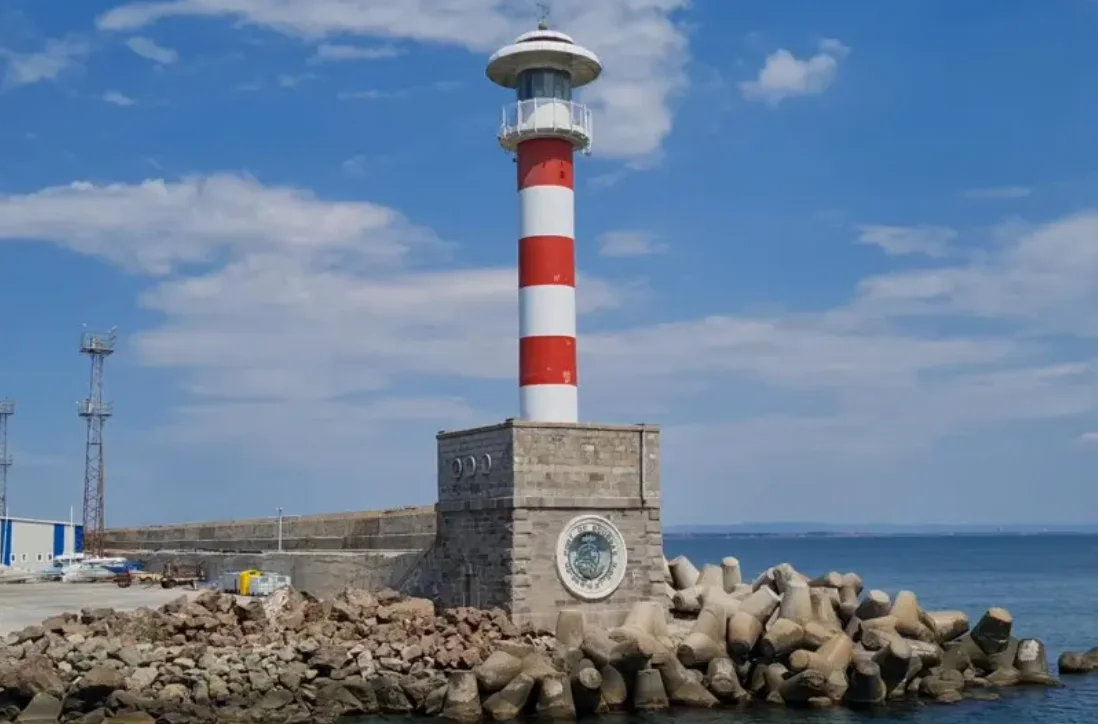
The Lighthouse is in the territory of the largest Bulgarian port – Port Burgas. It stands out due to the fact that it’s the first Bulgarian port lighthouse, lit at the end of the 19th century. The model was designed by the first double-bass player of Burgas – Sabi Denev. According to legend, the lighthouse of a seaside city must be protected, or bad things will befall the city. The tower is 14m high and the part that lights up the way for the ships is 24m above sea level. Until the present day
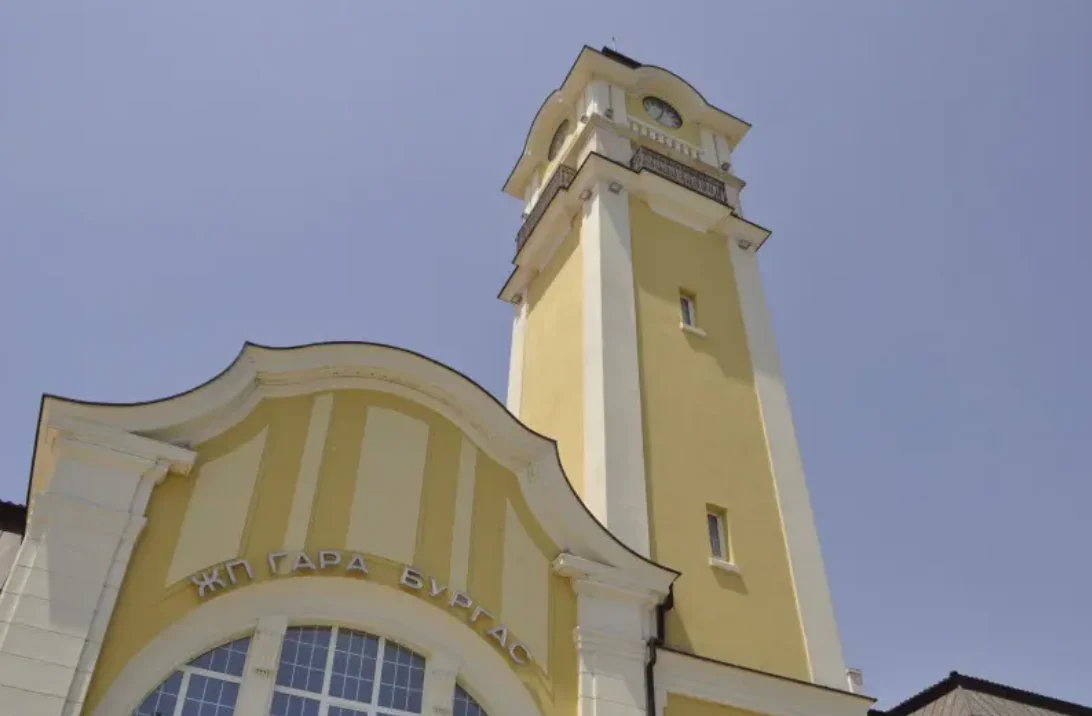
Burgas Central Railway Station is located in the centre of the city, at the beginning of the main street of the city Aleksandrovska, on the square "Tsaritsa Yoana" (also called Station Square). The location is key - close to the Sea Garden, not far from the Marine Station, Central Beach and Port of Burgas. Right next to the station is Bus station "South" with lines to all settlements on the southern Bulgarian Black Sea coast, Varna and Burgas Airport. Construction of the building began in 1908,
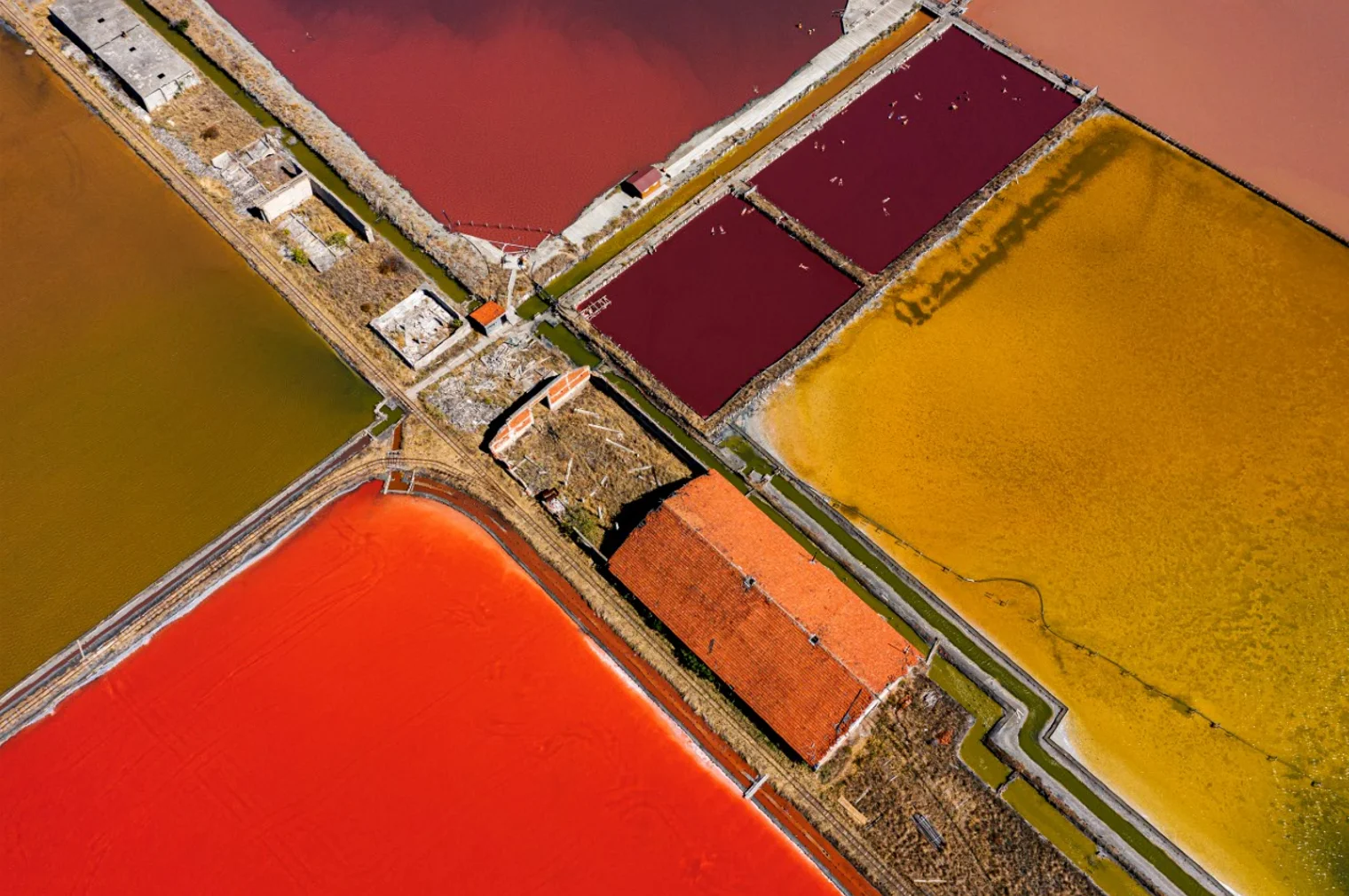
The Burgas Salt Pans represent the largest open-air spa centre in the country. The area features pools of salt water and therapeutic brine. Every summer, hundreds of people visit the Burgas mud baths and take advantage of their healing properties. The black mud promotes the rapid healing of bone fractures and treats almost all skin conditions, arthritis, herniated discs and a range of other ailments, owing to its high content of calcium, iodine and phosphorus.
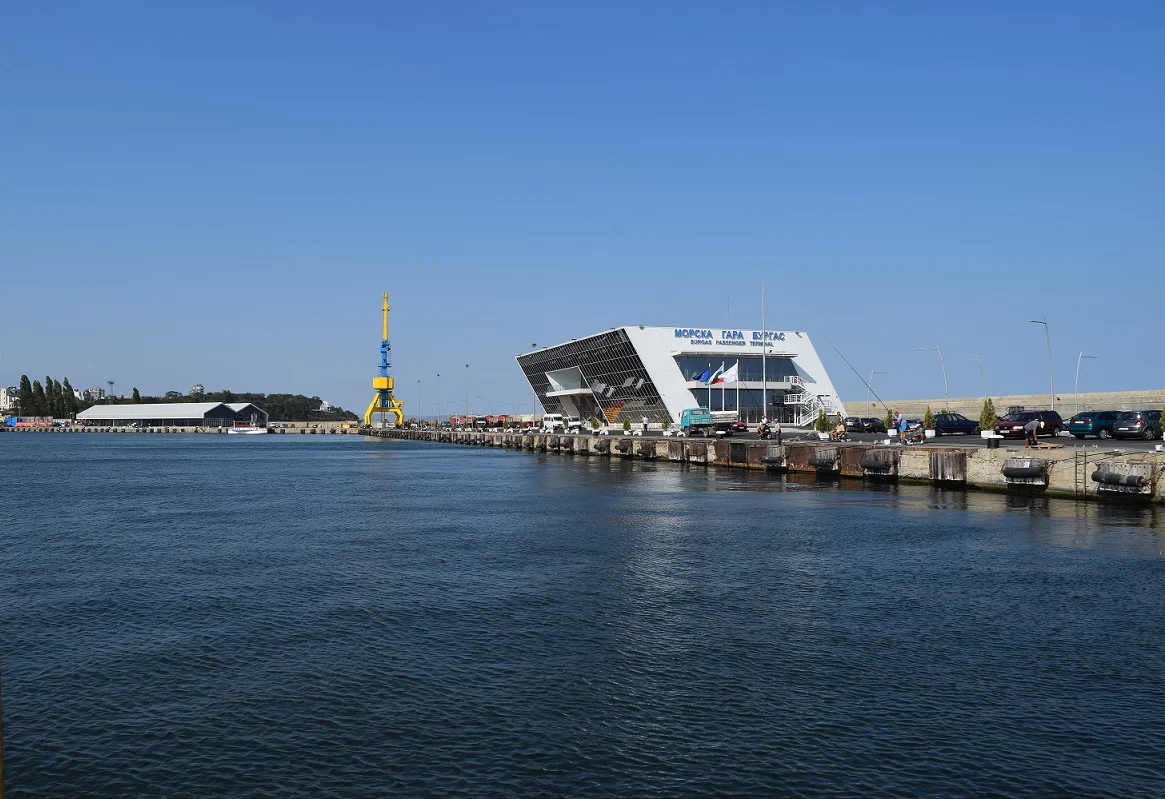
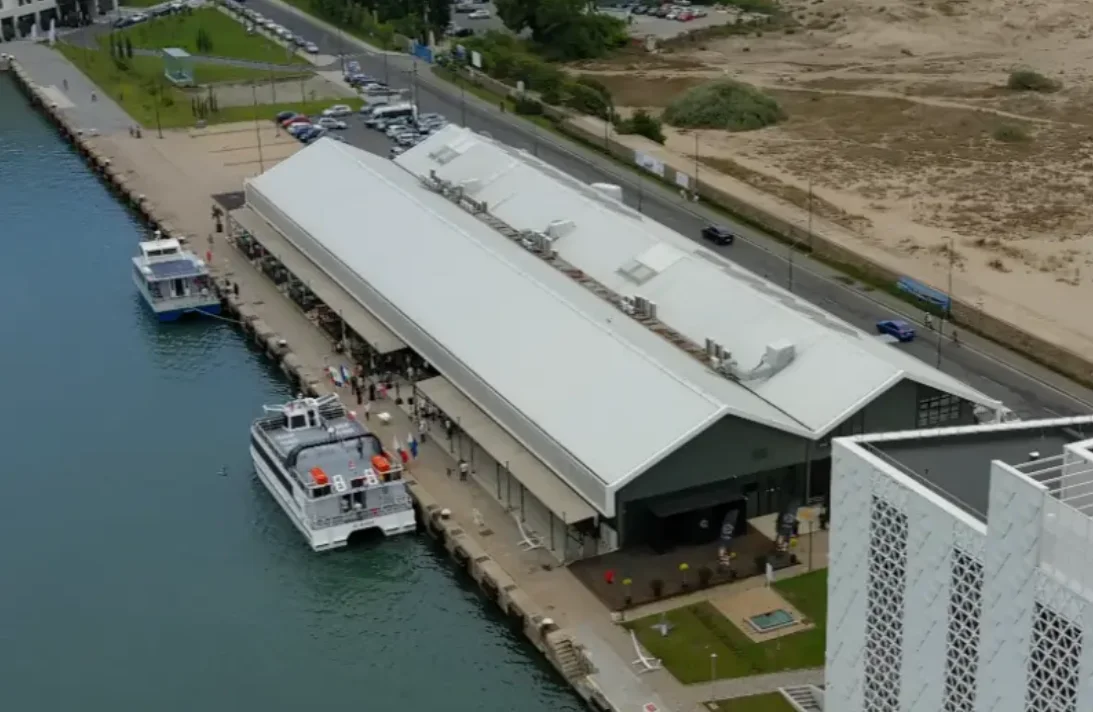
Since 2014, a Public Access Zone has been established within the territory of Port of Burgas. It is open to pedestrians, cyclists, and vehicles, with parking spaces and bicycle racks available near the Marine Station Burgas. This area is a favorite destination for both residents of Burgas and tourists, offering beautiful views, restaurants, and attractions. Located within the Public Access Zone are Magazia 1, a branch of the National Academy of Arts, Marina Port Burgas, the children’s science
Chengene Skele, Fisherman's Port or simply Chengeneto - this is a small village 15 km south of Burgas, preserving fishing traditions to this day. The name of the bay was inherited from the village of Chingane iskelesi (also Chingene Skela), which was located in this place during Ottoman times. After 1972, the boats of local fishermen were moved to this place from the Burgas port, due to its expansion. Today, the exhibition houses Taifa, Buruntia and Evksinski Pont located in the tourist complex
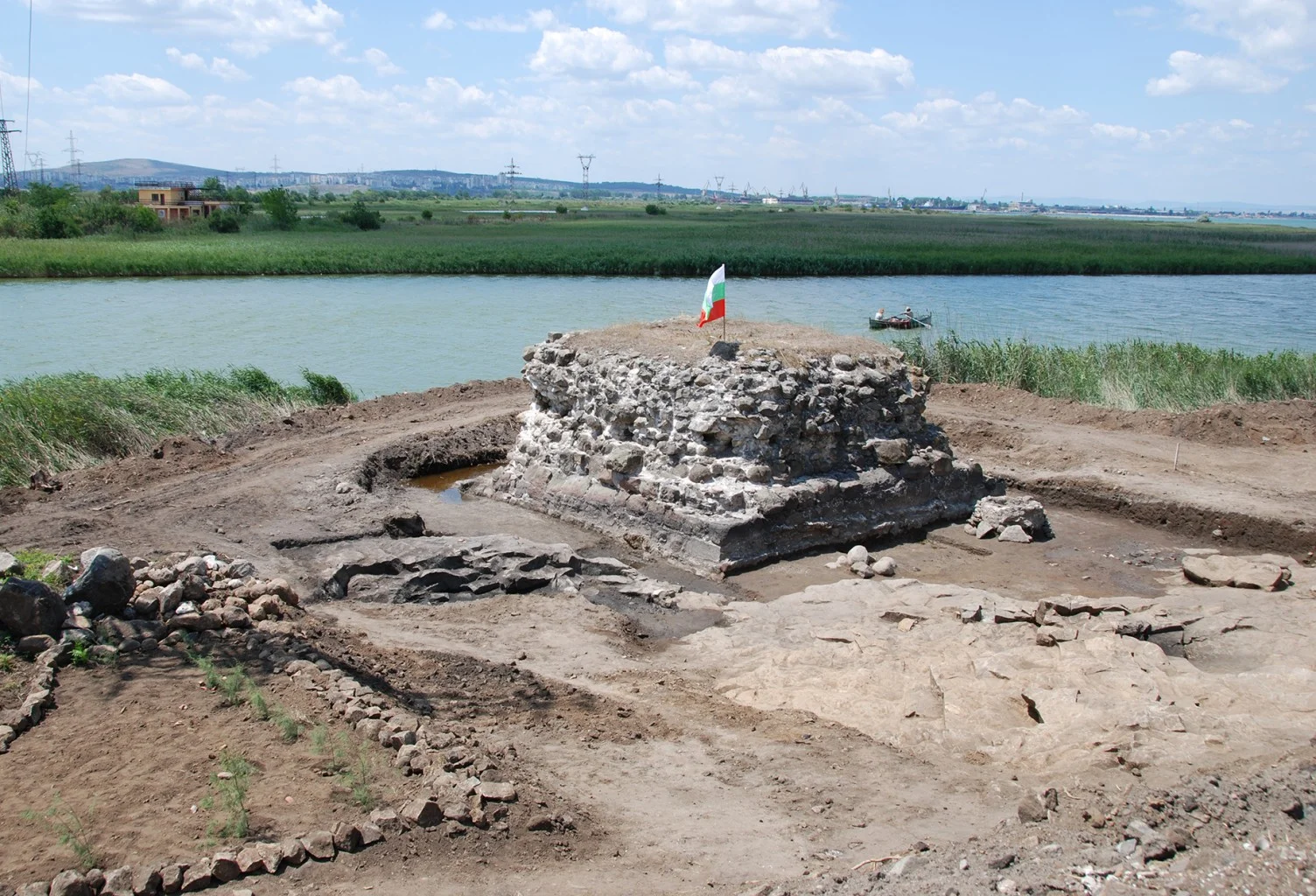
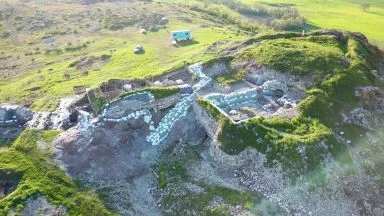
The ancient and medieval fortress of the Foros Peninsula - the predecessor of modern Burgas If you want to touch the historical spirit of Burgas and its long-kept oldest secrets, here is the place that will take you hundreds of years back... The Foros Peninsula is located in the Poda area (in the Kraimorie district of Burgas). In 2008, archaeological research was carried out for the first time, which established that there are still preserved remains of the lost city, the predecessor and symb
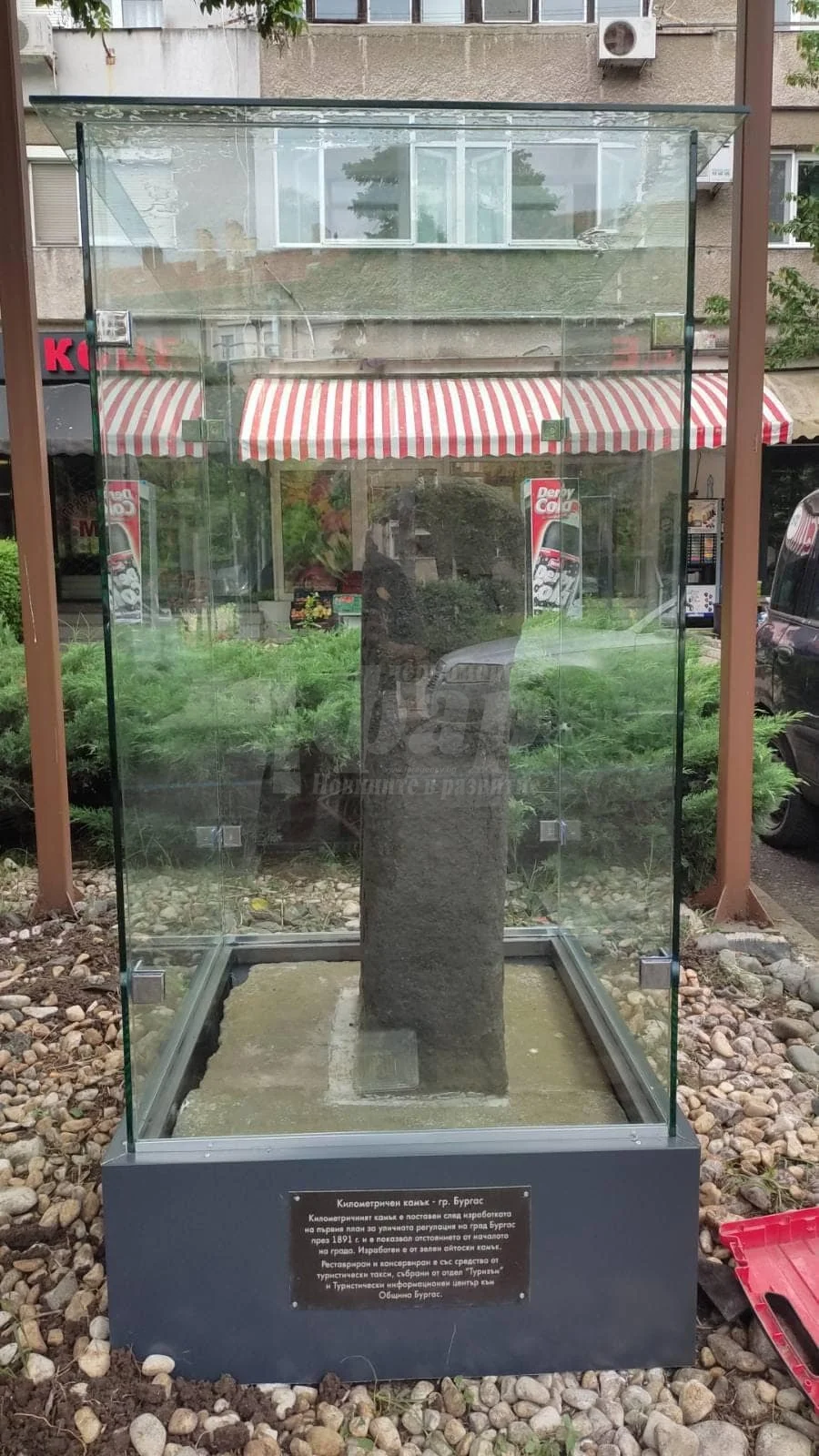
The Kilometre Stone is one of the symbols of Burgas, which in the past marked the direction and distance to the city. The stone was placed in 1891 and is today preserved in a glass display case accompanied by an informational plaque.
Public Access zone was established in the Port of Burgas since 2014. It is opened for pedestrians, cyclists and cars - parking spots and bike stands near Burgas passenger terminal are available. The area is a favorite of all citizens and tourists with its beautiful views, restaurants and atractions. In the Public Access zone is situated the oldest indoor port warehouse "Magazia 1". The building is reconstructed in 2016. Valuable riveted structure of the roof - type "Eiffel", is fully preserved.
The monument to Alexander Georgiev — Kodzhakafaliyta is located on Stefan Stambolov Boulevard, in the vicinity of a school that bears his name. Alexander Georgiev Kodzhakafaliyta was born in 1830 in the village of Zidarovo. He was known for his humility and philanthropy, donating a large portion of his wealth to landless people, primarily Thracian refugees. Through the monument, created by sculptor Radostin Damaskov, the people of Burgas pay tribute to his character and legacy.
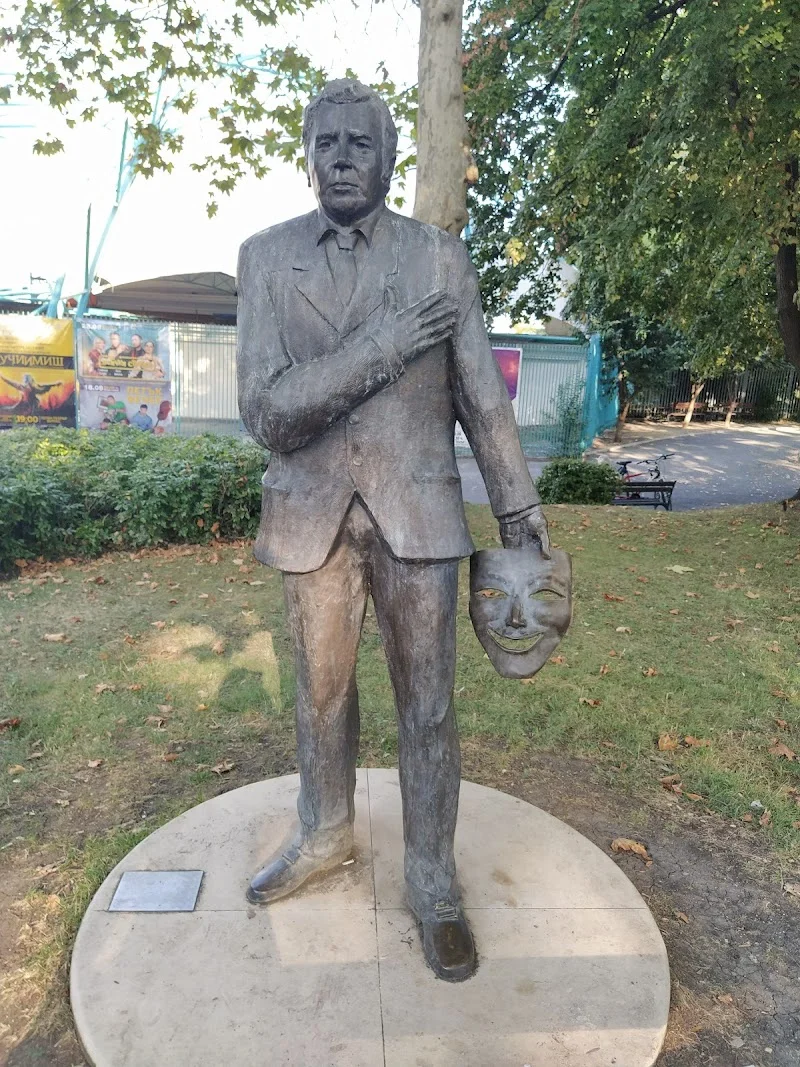
Georgi Kaloyanchev or as colleagues and friends call him - Kalata, with his bright roles in theater, cinema and television, became a national favorite of the audience. He was part of the troupe of the National Theater and was one of the founders of the Satirical Theater. He always carried his native Burgas in his heart and often says: "Burgas is my favorite city. I grew up here, here I fell in love with art and especially theater."
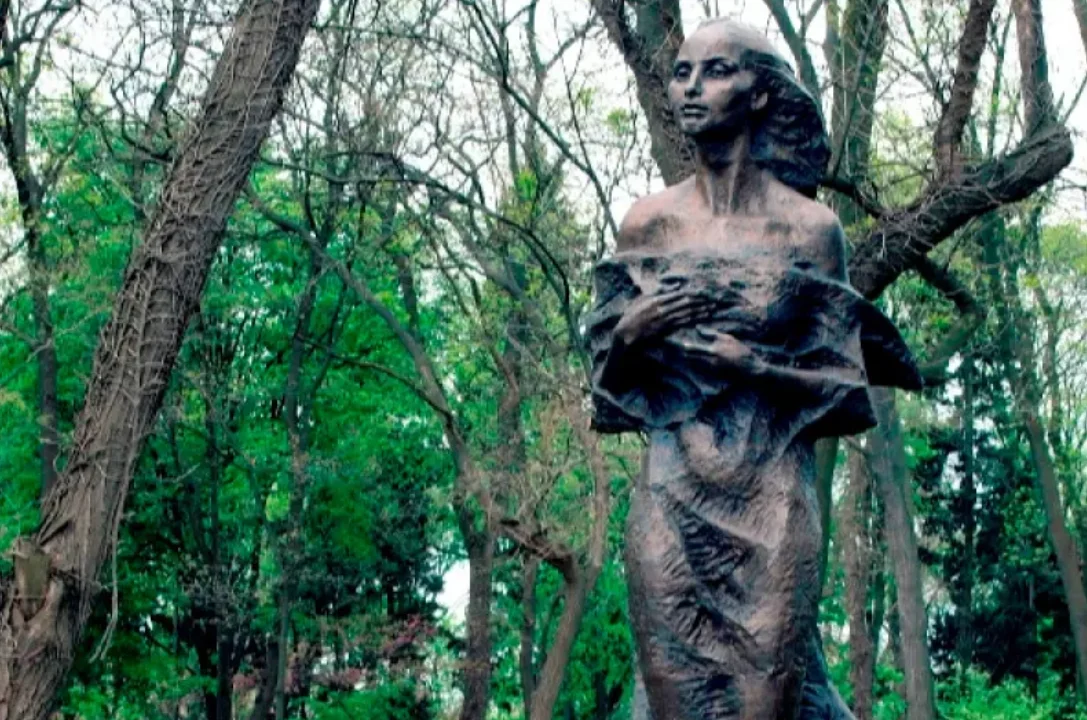
Petya Dubarova is considered one of the greatest talents in Bulgarian literature. Even when she was in first grade, the Burgas poetess was already writing poems and essays. Her teachers did not believe that these works could be written by a first grader and accused her of being written by her mother, who was a teacher. She began sending some of Petya's poems to the children's newspaper "Septemvriyche". Her first works appeared there, although the editors often doubted whether they were really wr
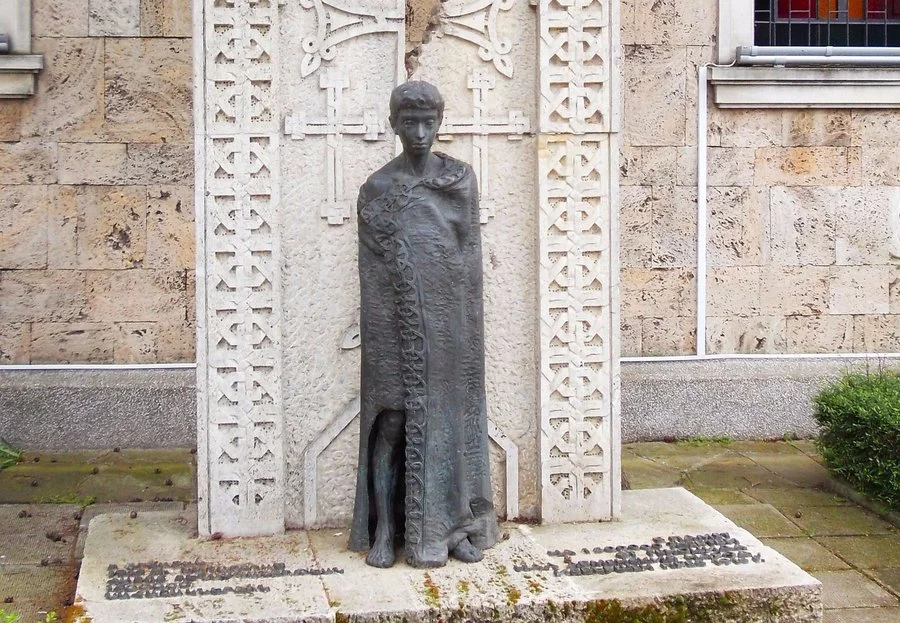
In the courtyard of the Armenian Church of the Holy Cross in Burgas stands a monument in memory of the victims of the genocide of the Armenian people. The sculpture was created in 1990 by Hari Norhayik Arabian. The Armenian Genocide was deliberately carried out by the Ottoman Empire between 1915 and 1918, and is characterized by mass massacres and the forced mass deportation of over 1,000,000 Armenians.
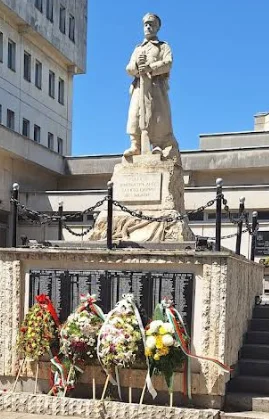
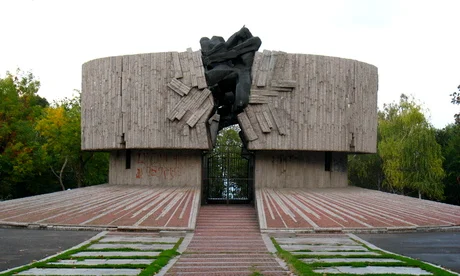
The hundreds of thousands of unknown Bulgarian soldiers who gave their lives for the ideals of a free and independent Bulgaria are an example of exceptional heroism, courage, honor and self-sacrifice. All of them are one of the greatest prides of Bulgaria, part of a Bulgarian army that amazed with its bravery, courage and great victories. These are the people you will not hear or see in textbooks, but whose unknown feat is the basis of the Bulgarian spirit and national self-confidence. The Monu
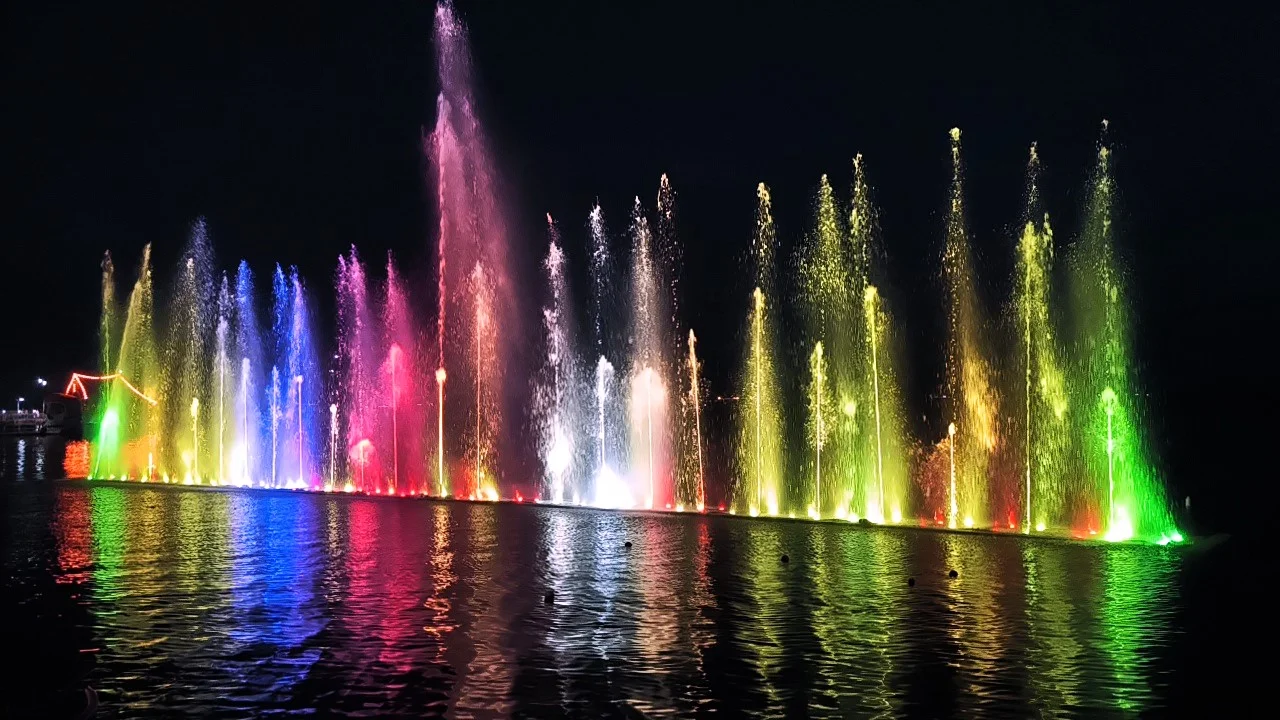
One of the city’s modern landmarks, located near the seafront promenade. The spectacular show of colourful lights accompanied by powerful music takes place twice every evening.
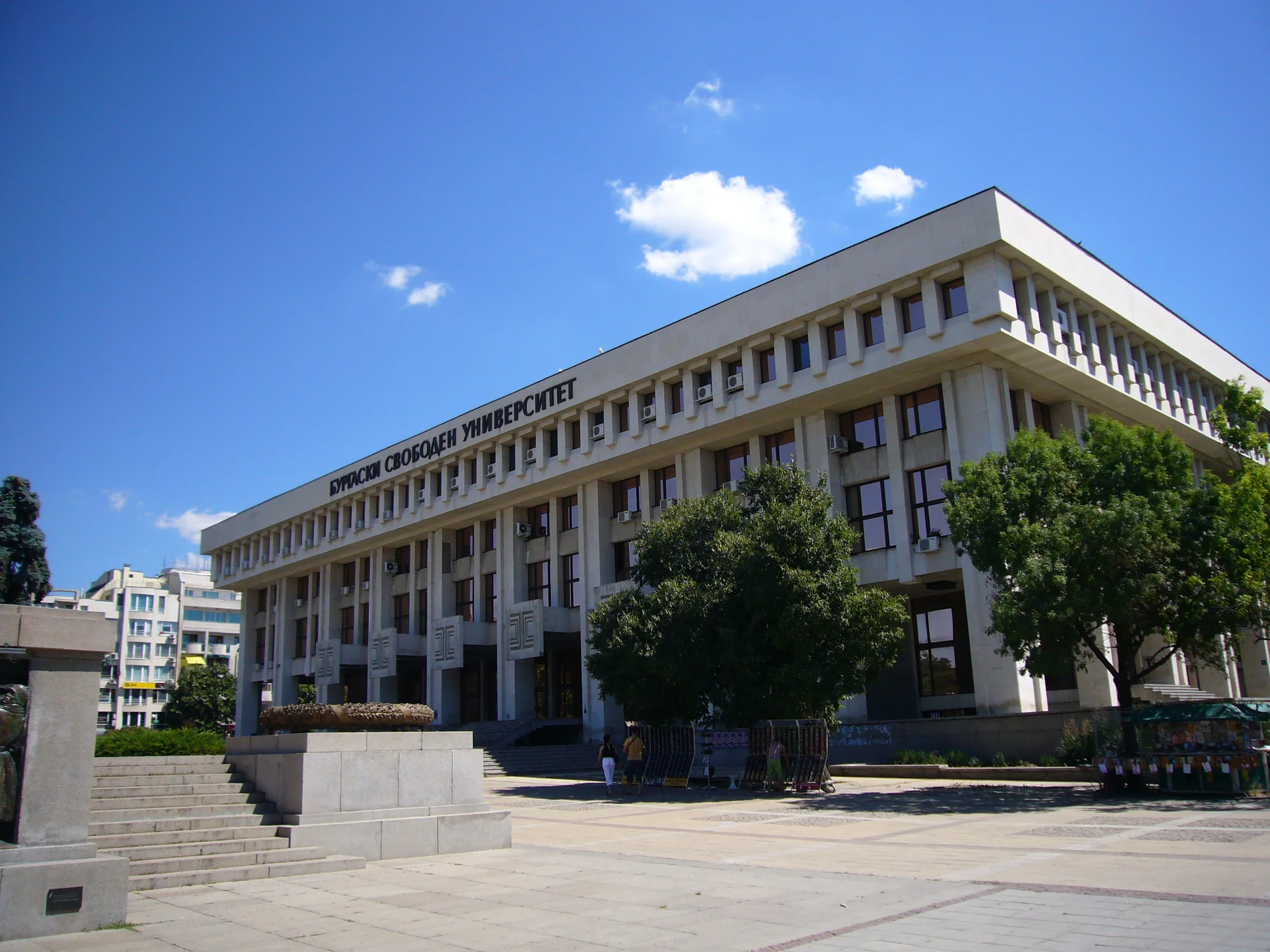
Built in the 1980s as the party headquarters of the Bulgarian Communist Party, the building has since undergone a significant change in purpose following the political transformations in the country. It was nationalised in 1990, and from 1991 served as the home of the newly established Burgas Free University. Following the university's relocation to a new building in 2004, the former party headquarters was converted into the Palace of Justice, which today brings together under one roof a distric
“Pomorie - ancient romantic, eternal” was founded with the name Anhialo in the 4th century BC. The strategic location determined Pomorie as one of the most important Black Sea towns on the Bulgarian lands. Anhialo has been repeatedly destroyed by goths, avars, fires and natural disasters, but has always revived and rebuilt his role as the major transport and military transport center. The production and trade with grain, wine, fish, timber and other agricultural products, which have been with ma
Rusokastro Fortress, also known as Rusokastron, is the largest medieval fortress in Southern Bulgaria, covering an impressive area of 52 decares. It is located about 30 km west of Burgas, within the municipality of Kameno. The fortress stands on a high rocky hill known as “Rusin Kamak,” which is naturally protected on three sides by the Rusokastrenska River.
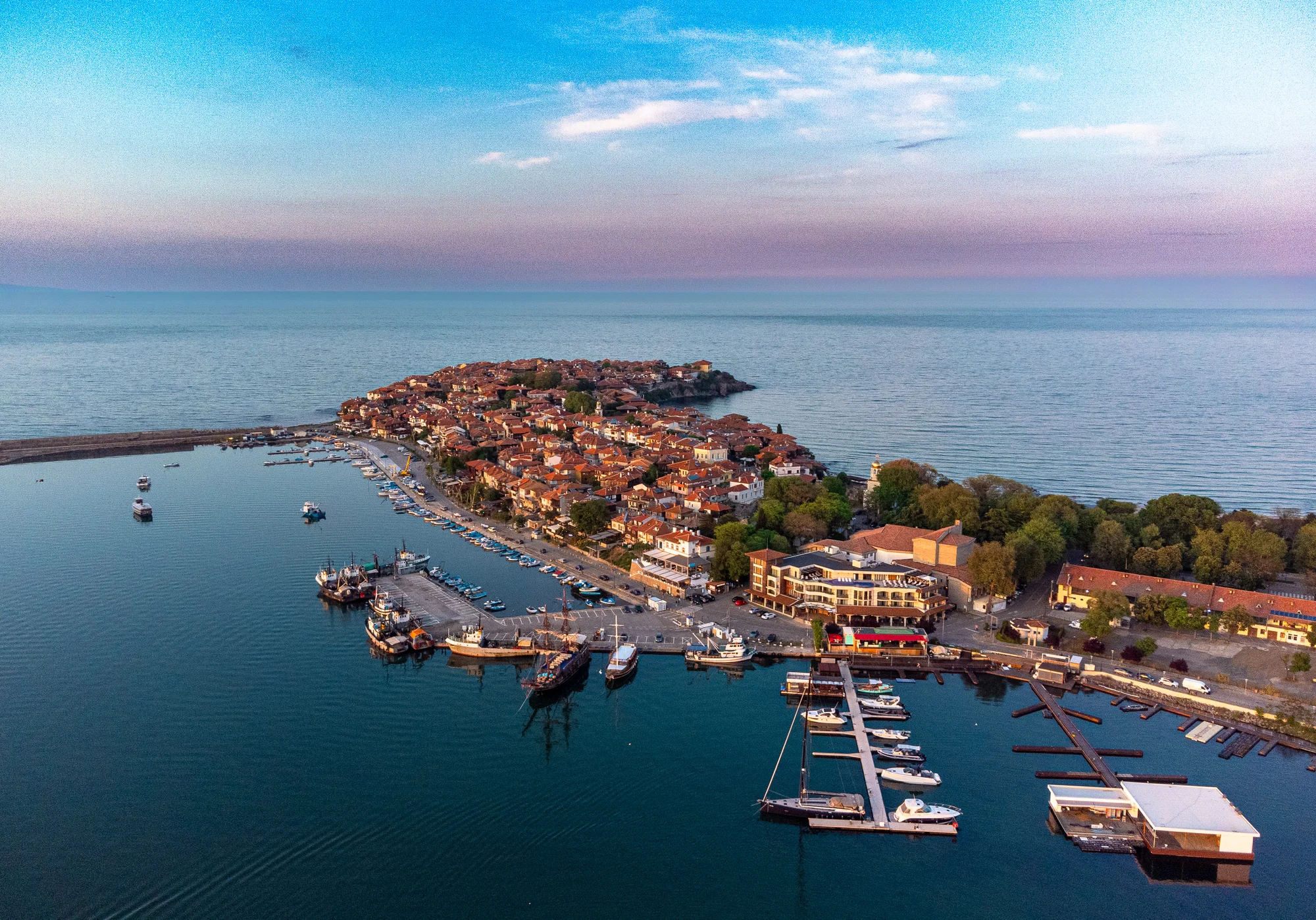
CULTURAL AND HISTORICAL LANDMARKS 1. The old town of Sozopol - Architectural and historical reserve since 1974 Culture and art in Sozopol are highly valued and visible everywhere. Its charm comes not only from local artists’ works but also from the Old Town’s architecture, declared an architectural and historical reserve in 1974. Over 180 houses from the 18th–19th centuries are preserved, with narrow cobbled streets and “rimni.” Facades are simple, with bay windows and wooden paneling, influenc
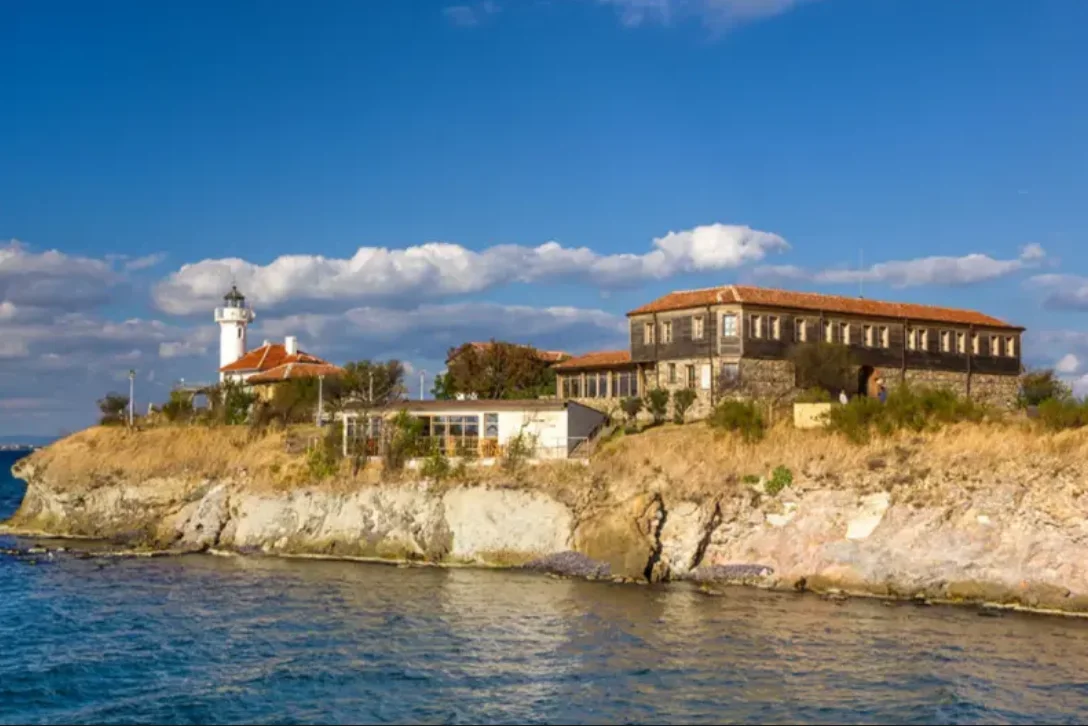
St. Anastasia Island is one of the most romantic destinations along our Black Sea coast. The island is shrouded in mystery, with hundreds of legends and stories told about it. It once served as a monastery and for a period of time also functioned as a prison. Built from volcanic rock, it covers an area of nearly 9 decares and is situated 6 km from the shore. Those with a thirst for sea and island adventure can experience the thrill of arriving by boat, light a candle in the Church of the Assumpt
A stunning Byzantine-style church dating back to the 19th century, St. Nicholas stands as a testament to Burgas's rich cultural heritage. Its intricate architectural details and striking red-brick exterior make it a captivating landmark, drawing visitors from near and far to admire its timeless beauty and explore its spiritual significance within the city's vibrant heart.
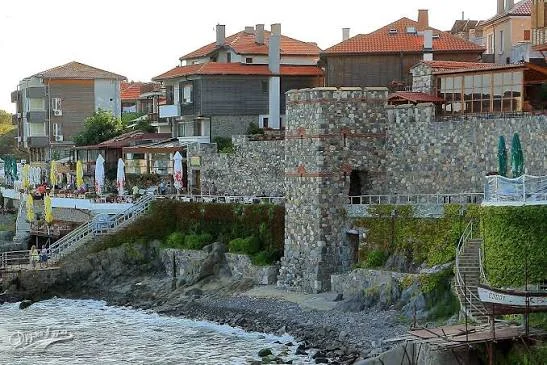
The Architectural and Historical Reserve of “Old Sozopol” is renowned for its authentic Black Sea houses, remains of ancient fortification walls, and valuable Christian relics. Sozopol is one of the oldest towns along the Bulgarian Black Sea Coast, founded in antiquity under the name Apollonia Pontica. Southern Fortress Wall and Tower Architectural Complex: Located along the southern panoramic promenade, this beautifully restored complex features a museum exhibition, a medieval watchtower, and
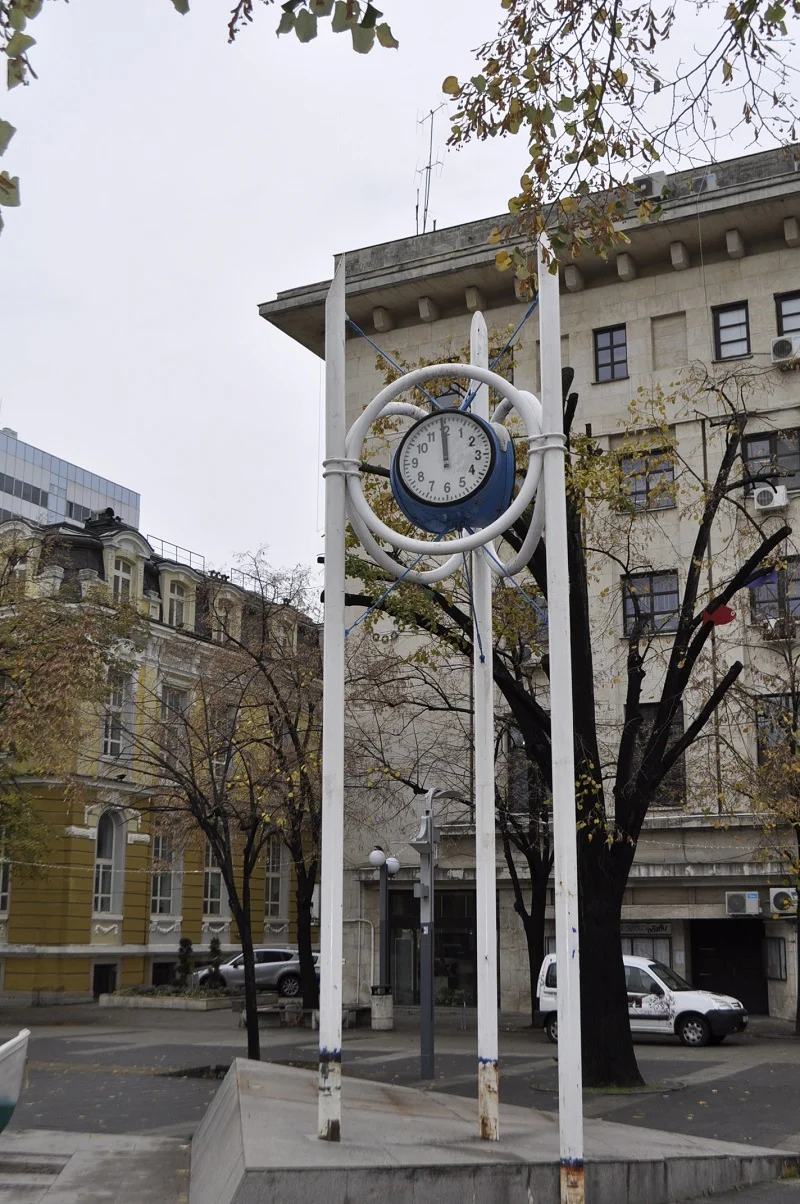
The history of the Burgas Clock intertwines twists of fate and human destinies. It all begins at the start of the last century, when two engineers — Georgi Markov and Angel Gyuzelev — were studying in Europe. They decided to find a clock to be placed in a prominent location in their city, where it would mark the passage of time. The year was 1936. The two men contacted a company from which they purchased a clock for Burgas. It was of the "Favage" brand, featuring a triple clock face, and was del
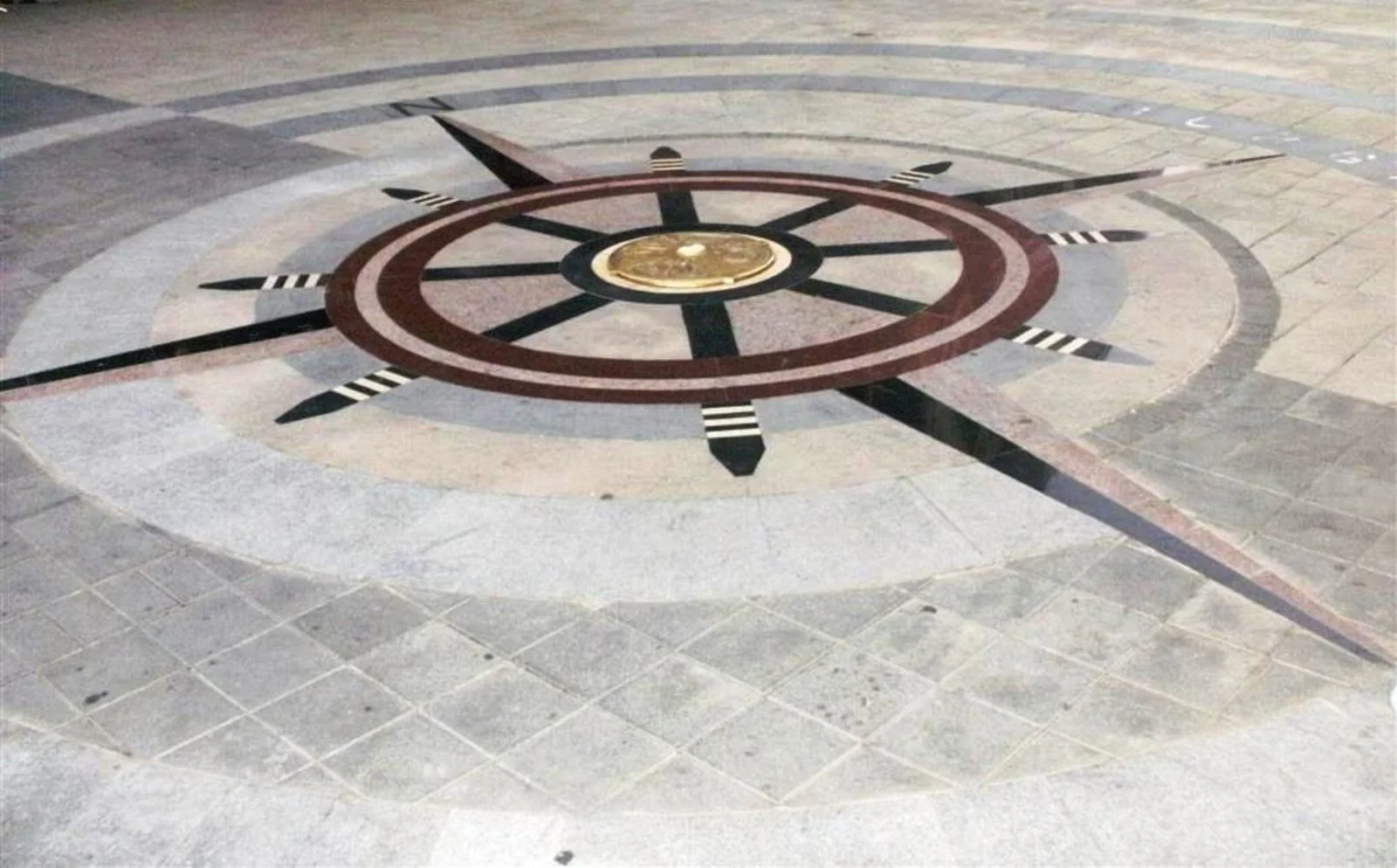
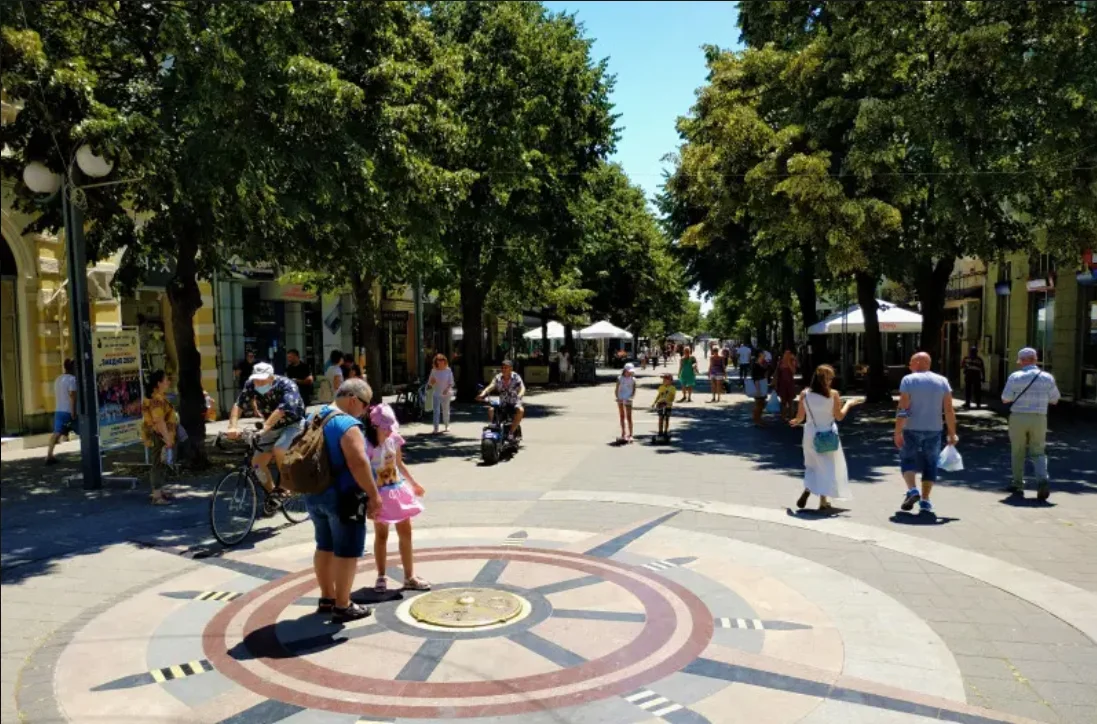
"The Compass", also known as "the navel of the city", is the place that measures the ideal centre of the city with architectural precision. It is located on the main street "Alexandrovska". The place marks the zero kilometer of Burgas and is the point by which everything else in the city is measured, even in GPS navigation. The "Compass" is a stylish decorative plaque with relief images made by the Burgas sculptor Radostin Damaskov. The designer is architect Vladimir Milkov. The plaque resembles
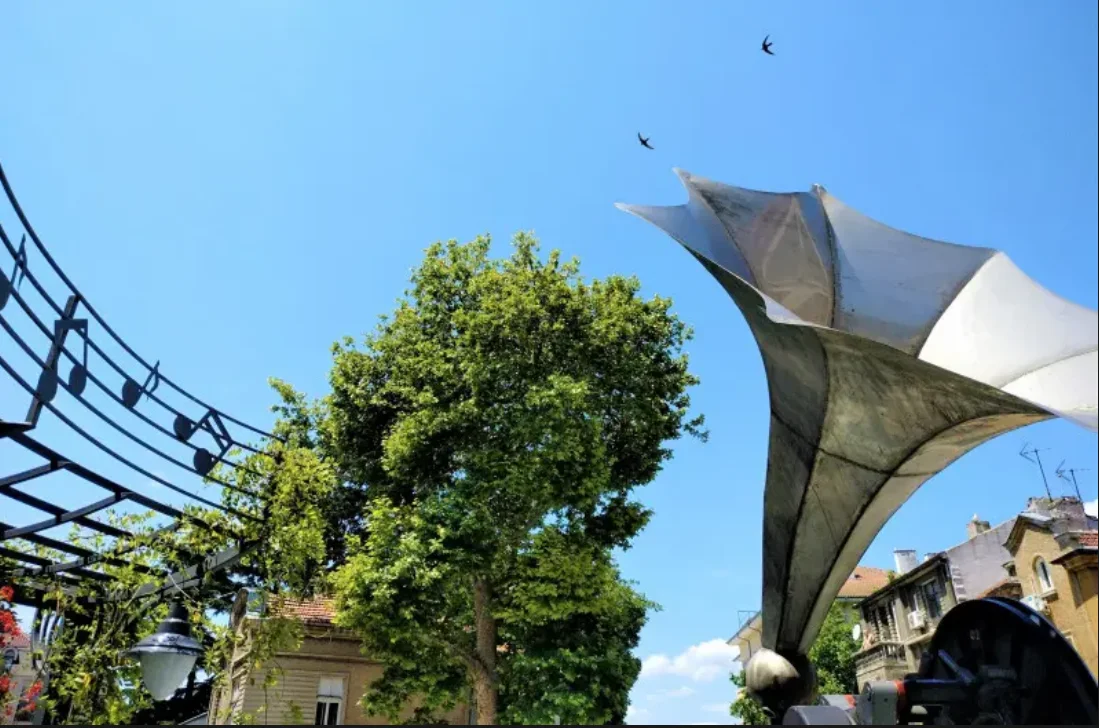
The gramophone is one of the symbols and attractions of Burgas and it attracts the curious eyes of those passing along the oldest largo of the city - Bogoridi Boulevard. The beautiful sculpture is the work of the talented Rusi Stoyanov, it is also declared an architectural monument of culture. The Gramophone is made of metal, it is about 2 m high. It is a favourite of children and adults who spin it for luck or just for fun. A scaled plastic of the Gramophone is given to the winners of the annua
It is not by accident that Alexandrovska Street has earned the title of Largo (High Street) and is the most visited and busiest street in Burgas. Walking down Alexandrovska St. you will meet many smiling and welcoming eyes, you will eat at the little pub at the corner, you will have ice-cream or corn on the cob, you will enjoy the sounds of the street musicians and you will find all that is special to our city…you will find the spirit of Burgas, which attracts visitors from near and far. Troyk
The Pantheon in the Sea Garden is one of the emblematic monuments of Burgas. It was built in 1981 as a monument in honor of the fallen anti-fascists. Until the changes in 1989, an "eternal flame" burned in the central part, and the building was guarded by soldiers who were on duty around the clock. The author of the monument is the sculptor Valentin Starchev, and the urban planning designer is architect Vladimir Milkov. Today, the Pantheon is known primarily as a meeting place and assembly poin
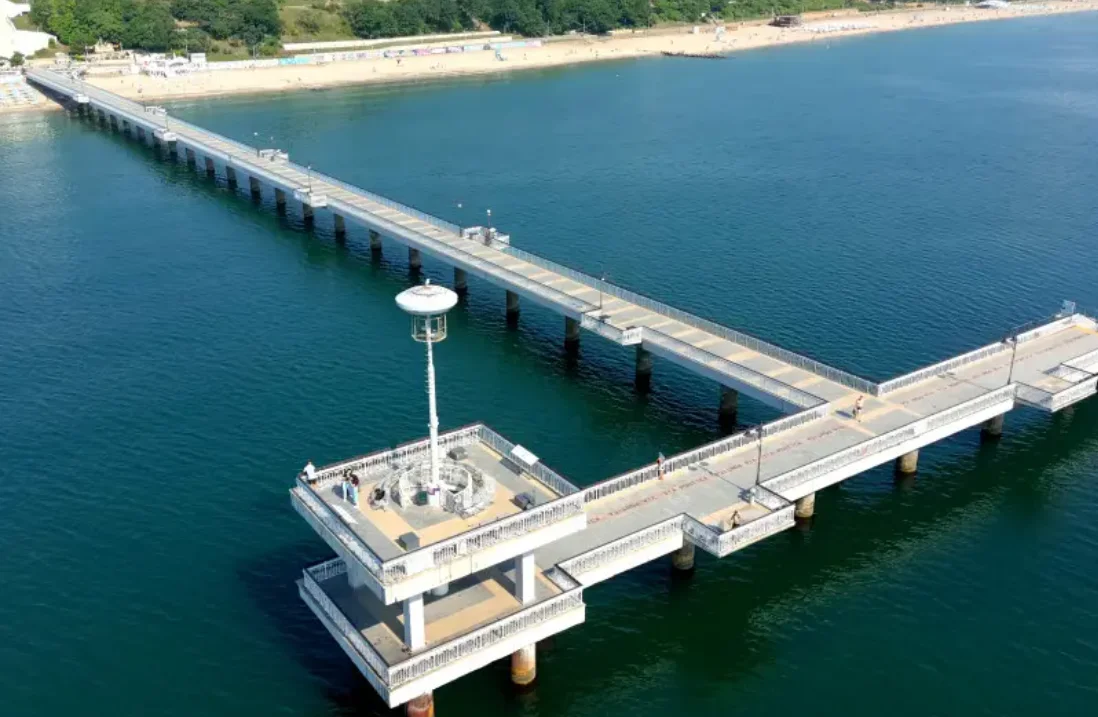
Going to Burgas and not seeing the Pier is like going to Rome and not seeing the Pope” – this is what any local person will tell you if you ask them about the most emblematic place in Burgas. As a natural finish of the old part of the beautiful Seaside Park, going almost 300 metres into the magnificent Black Sea, one of the symbols of Burgas attracts tourists from near and far every year. The Pier is a place not only for walking but also for relaxing – especially in the specifically built viewin
The Thracian megalithic sanctuary of Begliktash is located 4 kilometers from Primorsko, where the Strandzha Mountain meets the sea. It is one of the greatest discoveries of Thracian archaeology on the southern Black Sea coast and Strandzha Mountain. It was known to science until 2003. The Thracian stone sanctuary is a unique megalithic complex from the time when man worshiped nature, when rituals, myths and legends determined everyday life. Their faith in the deities has left over time beliefs,
TVORUM is a creative space in the centre of Burgas. It is not a standard meeting room, nor is it a stage with a ticket office. It is a versatile venue with character — for people who want to work, meet up and express themselves in a relaxed, lively environment. The professional recording studio After 7 is located at the same address. Rehearsals and meetings at TVORUM. Recording — right next door. There are spaces for noise and spaces for presence. TVORUM can be both. The space is open to family
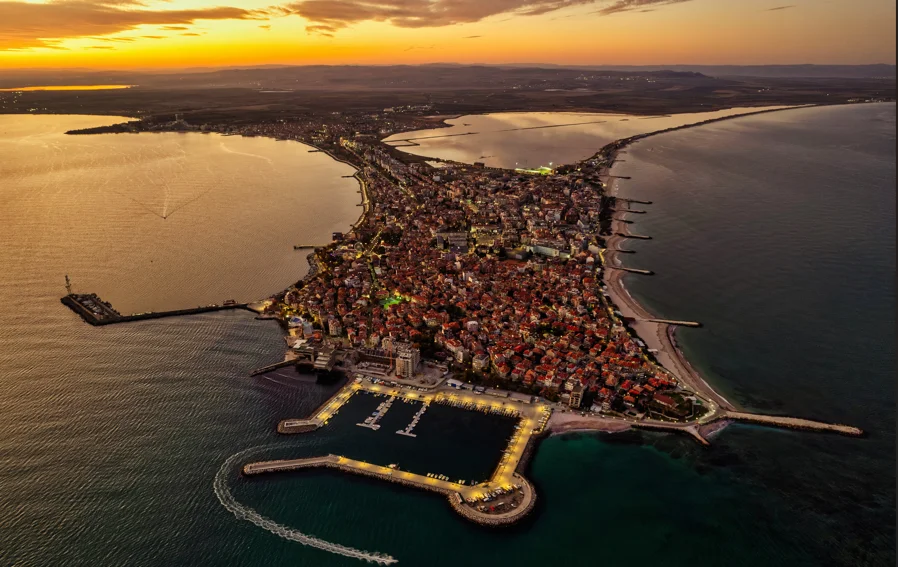
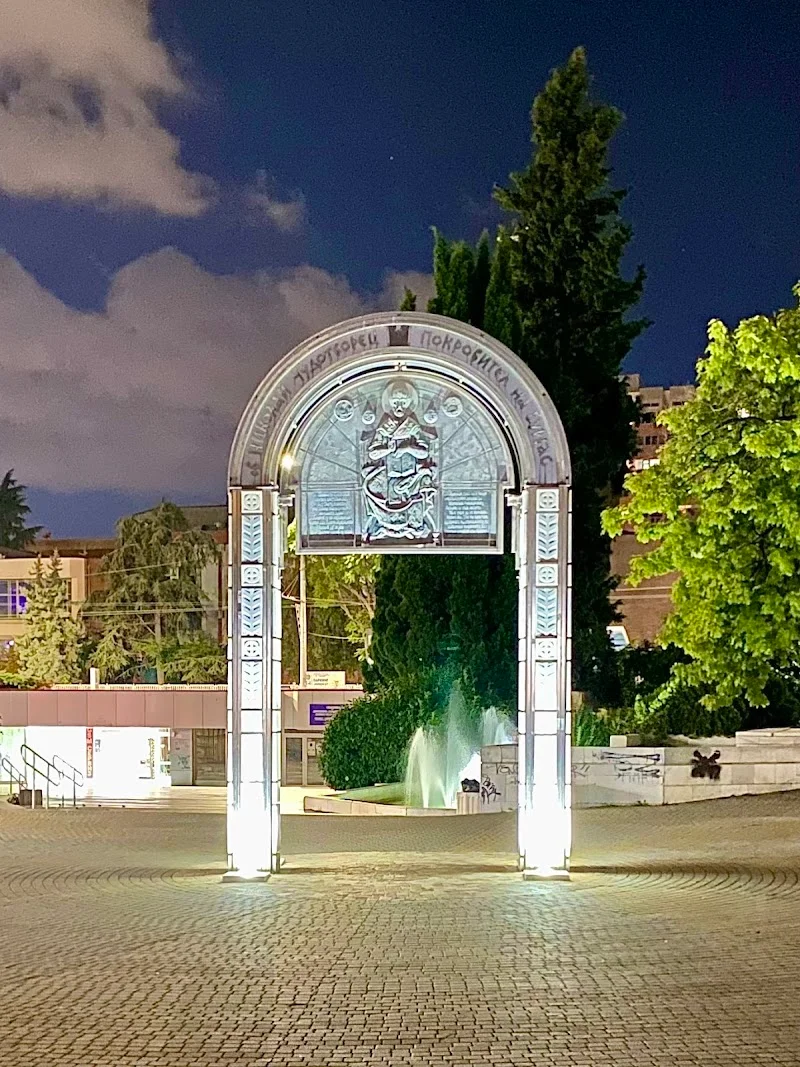
Located halfway along the isthmus connecting the New Town and the Old Town, it is the first landmark to greet visitors and one of the most photographed spots in the city.