GROUP Visit to the museum exposition on the island of St. Anastasia
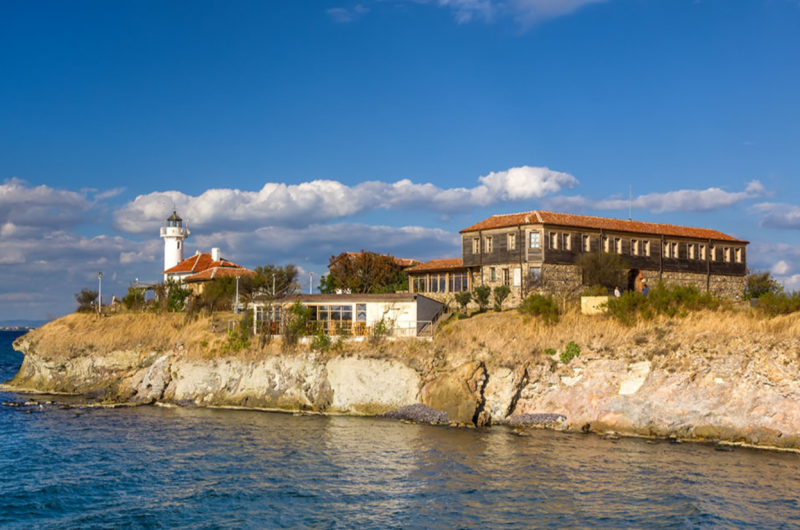
Price - BGN 6. Duration - 1 hour Discover the history of St. Anastasia Island! The museum exposition consists of separate rooms that tell historical facts, as well as the legends associated with the unique island. IMPORTANT - Travel to St. Anastasia with the municipal catamarans "Anastasia" and "Burgus", which sail from Shop 1 of the Port of Bourgas. During the summer season, ships depart at 10:00, 13:30 and 17:00. Tickets are purchased before departure at the tourist information center in the store. The stay on the island is 2 hours. Catamarans do not travel in bad weather, potentially dangerous for passengers! Phone for information - 0882 004 124
Visit to the museum exposition on the island of St. Anastasia
Discover the history of St. Anastasia Island! The museum exposition consists of separate rooms that tell historical facts, as well as the legends associated with the unique island. IMPORTANT - Travel to St. Anastasia with the municipal catamarans "Anastasia" and "Burgus", which sail from Shop 1 of the Port of Bourgas. During the summer season, ships depart at 10:00, 13:30 and 17:00. Tickets are purchased before departure at the tourist information center in the store. The stay on the island is 2 hours. Catamarans do not travel in bad weather, potentially dangerous for passengers! Phone for information - 0882 004 124
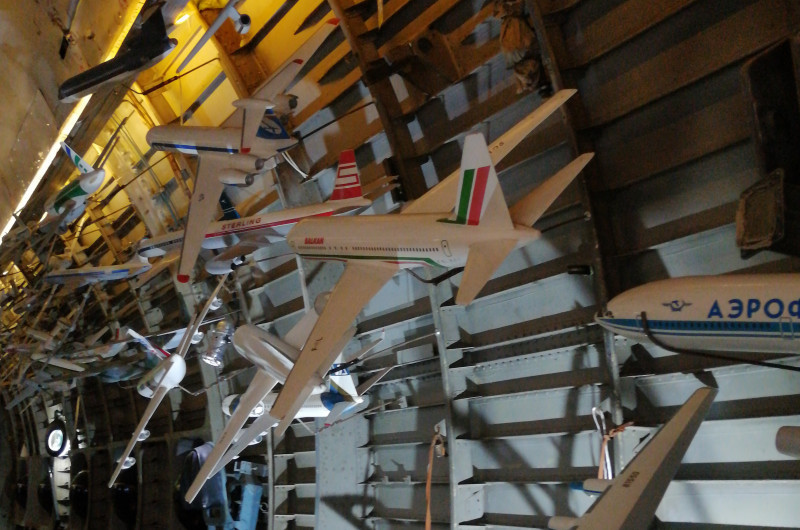
Price: Talk in Bulgarian - BGN 20. Talk in English / Russian - BGN 50 * The ticket is valid during the working hours of the museum! The newest attraction of the Municipality of Bourgas is located at the entrance of Bourgas Airport and is close to Sarafovo. Every visitor can get there by public transport bus (№ 15), bicycle or personal car, all with safe and easy access. During the winter period (November-April) the museum will be open from 09:00 to 17:00. no day off.
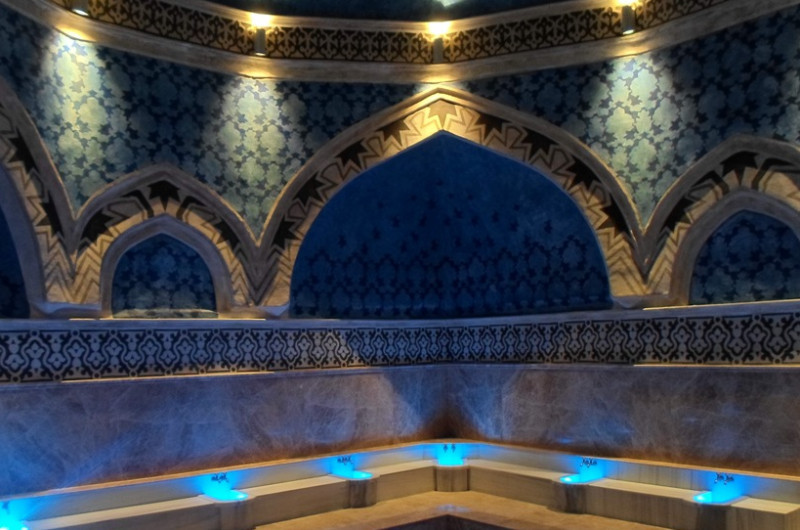
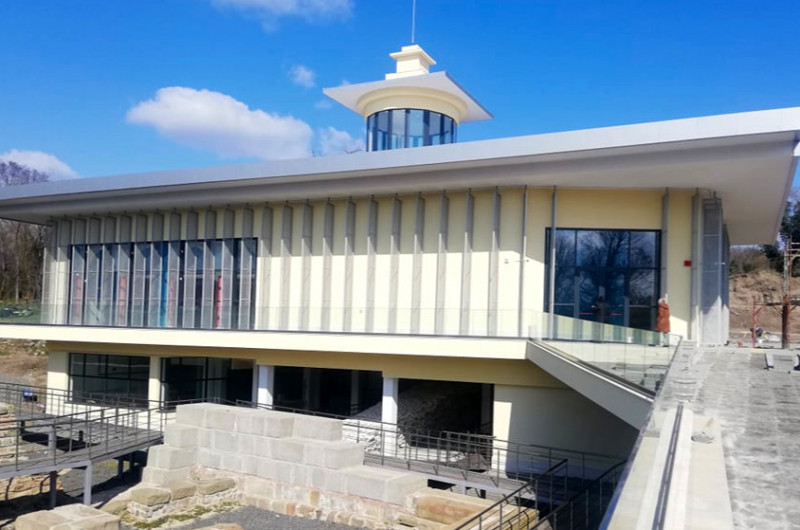
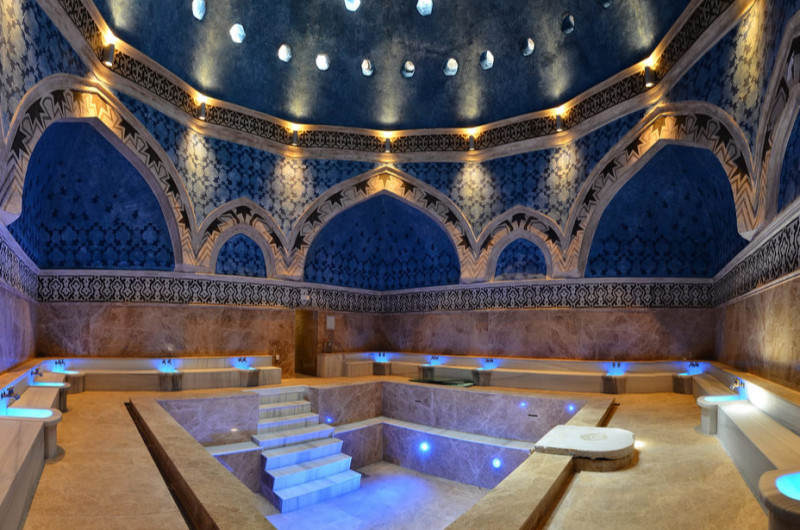
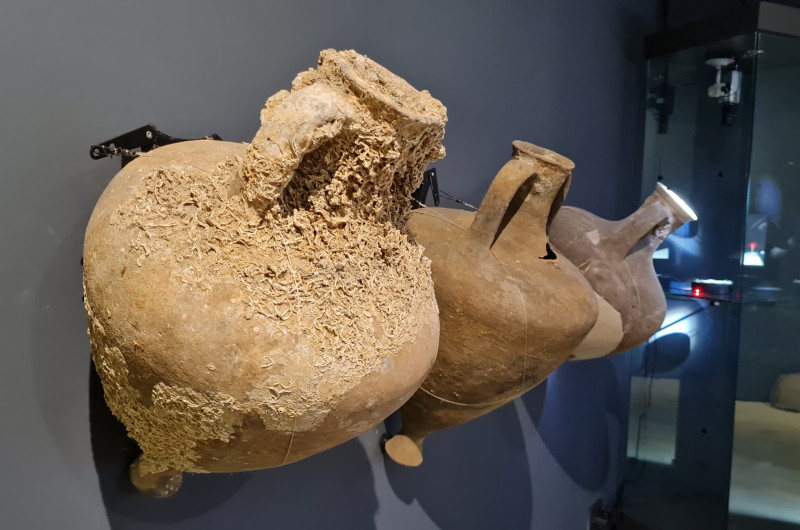
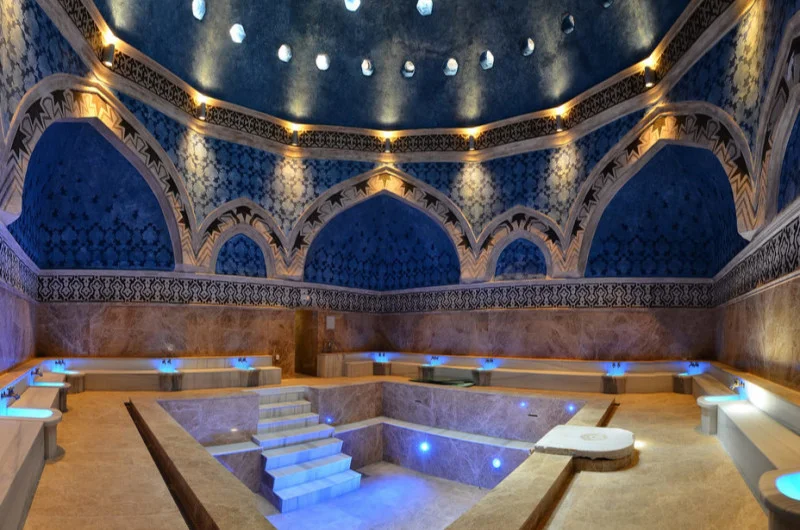
Aquae Calidae is an attractive and unique historical site in Burgas, which is developing as a modern cultural and tourist centre. The place, which has gathered thousands of years of history, attracts its visitors with many different opportunities for relaxation and entertainment. The Roman Baths of the Thermae, the Roman Baths of the Thracian period with hot and cold pools, and various medieval rooms are accessible to tourists through the modern walkways, which make them easier to pass and see. The beginning of the tourist tour of the museum complex starts from the exhibition level, which includes artifacts found in Aquae Calidae - gold coins and jewelry, lead seals, bath implements, ceramics, marble decorative details and inscriptions, cult objects. The walk continues to a virtual area where visitors can enter beautiful virtual Roman baths, among pools and statues, where they can find secret magic or have fun on an interactive floor, and after passing through the chronicle room, continue their walk among real authentic ruins of buildings from Roman and Byzantine times. The complex allows the citizens and guests of Burgas to visit the fully restored bath of Suleiman the Magnificent. During its restoration, the original vision has been faithfully preserved, it is lined with marble and the typical Oriental ornamentation. Its authenticity is complemented by natural and artistic lighting. It serves as a working museum where visitors can watch a film created on the basis of 3D mapping. It takes tourists on a virtual walk from the time of the Thracians and the legend of the Sacred Spring of the Three Healer Nymphs, through the Roman era, the Crusades - to the time of Suleiman the Magnificent.
Chengene Skele CTC - tickets for museum exhibitions
Working Hours: 10:00 to 18:00* *the working hours are valid only for the museum exposition The restaurant and café are open from 10:00 until 21:00 and 20:00 respectively Everyone knows that fishing plays an important role in the livelihood of people on the Black Sea coast. It is mostly done along the coast, as there are the most fish - local and passage. The tradition of fishermen is still preserved in a village south of Burgas at the bottom of the bay Gypsy Pier, or as it is better known, Chengene Skele. On the last arm of the village is built Cultural and Tourist Complex "Chengene Skele", which promotes fishing and traditions. The complex consists of exhibition houses, a sailor's coffee club, a fish restaurant, a multifunctional hall for exhibitions and events, a park space and a playground. Here the story of the Burgas Bay is told, and local fishermen demonstrate typical practices such as netting and boat building.
Venue: Cultural and Tourist Complex Chengene skele
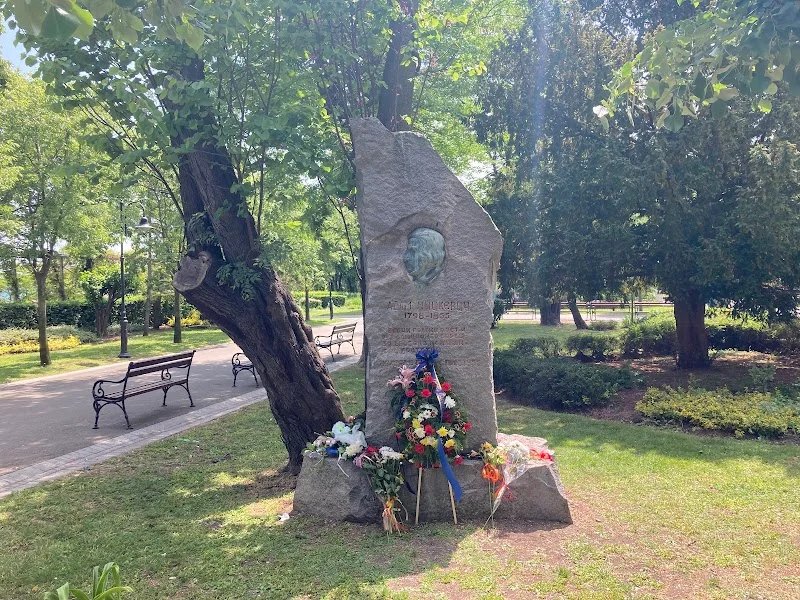
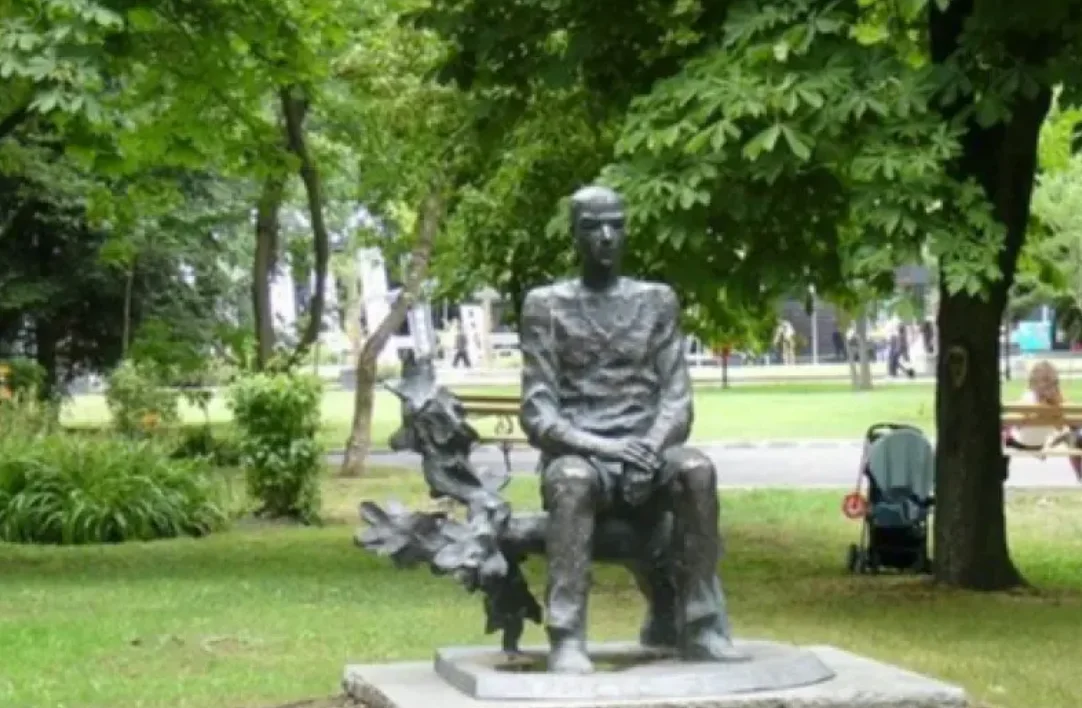
Towering over Burgas' bustling city center, the statue of Adam Mickiewicz stands as a testament to the enduring legacy of Poland's renowned poet and national hero. Featuring the iconic figure in a contemplative pose, this striking landmark offers a glimpse into the rich cultural ties between Bulgaria and its eastern European neighbor, inviting visitors to explore the shared histories and literary traditions that have shaped the region.
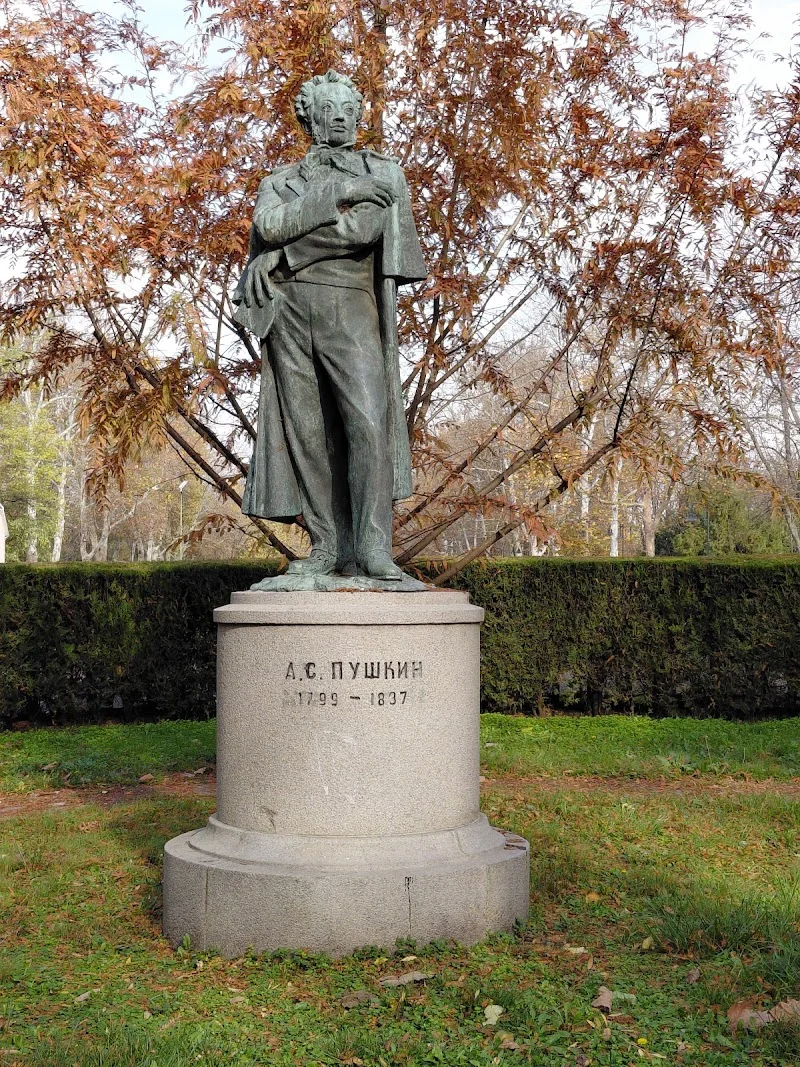
Alexander Sergeyevich Pushkin (1799–1837) is regarded as the father of modern Russian literature and one of the greatest poets in world history. Works such as Eugene Onegin, Boris Godunov, Ruslan and Lyudmila, and A Feast During the Plague have long been established as world classics. His connection to Burgas is a fascinating one — his son, General Alexander Alexandrovich Pushkin, commanded the 13th Narva Hussar Regiment, part of Lermontov's "flying detachment," which liberated the city from Ot
The cultural figures of Bulgaria have always occupied their great and deserved place in the spiritual life of Bulgaria and Burgas. Some of the most talented Bulgarian artists are natives of Burgas, who left a bright mark on the cultural heritage of Bulgaria. The alley was created in the 90s of the 20th century. Here are placed the busts of Nikolay Luskov (1910-1944), Velislav Dramov (1919-1944), Asen Zlatarov (1885-1936), Adam Mitskevich (1798-1855). The monuments of the great Hristo Fotev and
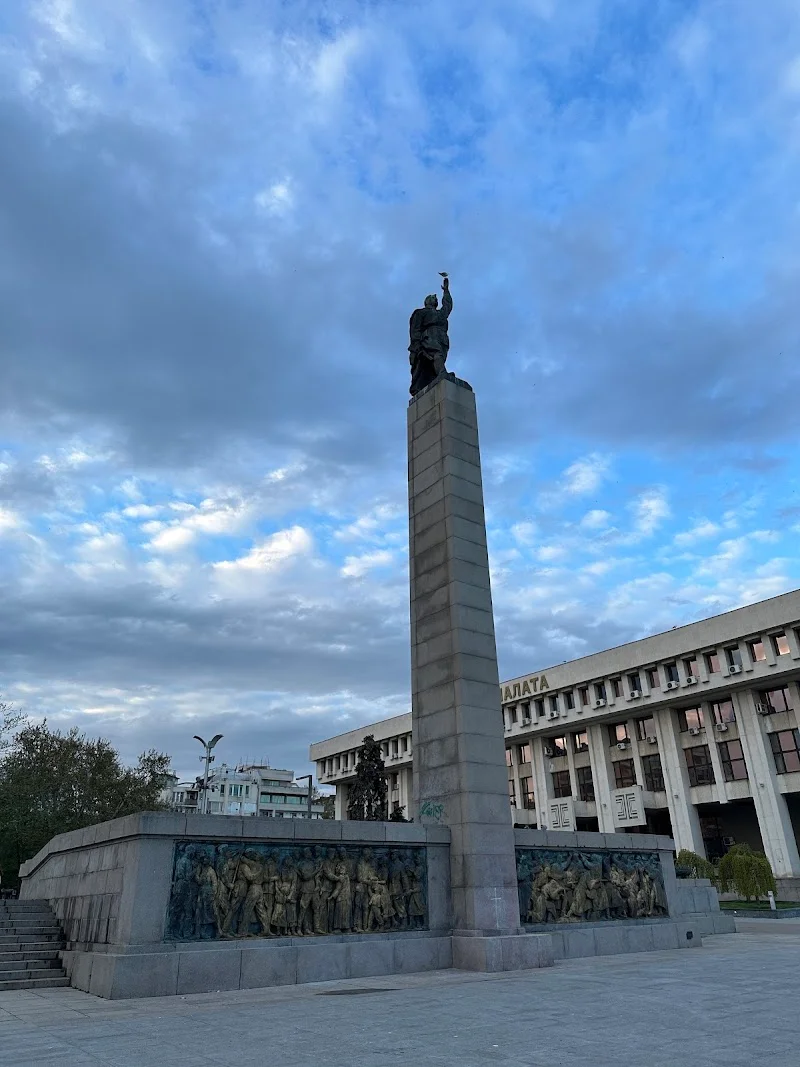
The Monument to the Soviet Army, known by the name Alyosha, is situated on Troykata Square and stands as one of the most recognizable landmarks in Burgas. The sculpture depicts a Soviet soldier with his left arm raised toward the sky and reaches a height of approximately 18 metres. The reliefs adorning the monument portray scenes from the Second World War, as well as the welcoming of Soviet Army soldiers upon their arrival in Burgas. Build between 1952 and 1953, the monument is the work of arch
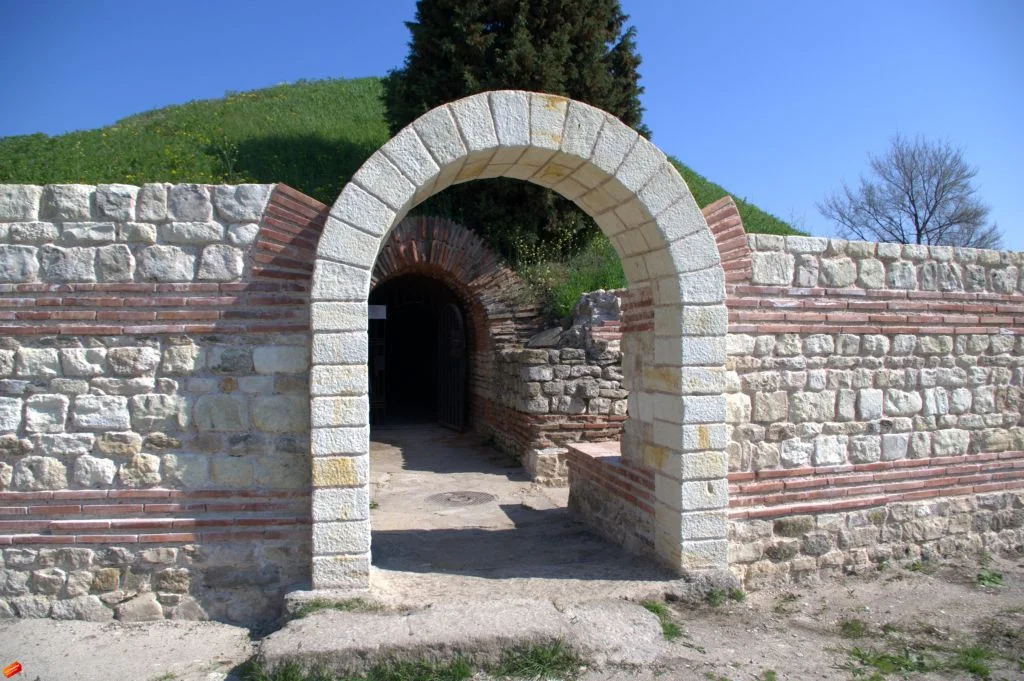
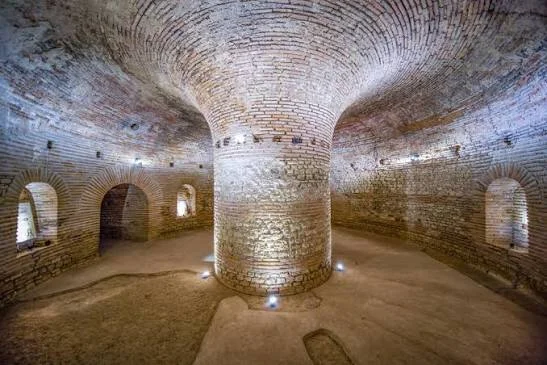
Located at the entrance to the town, it is a monument of national significance dating back to the 2nd–4th centuries AD. The site is distinguished by its unique hollow column, which widens towards the top like a mushroom.
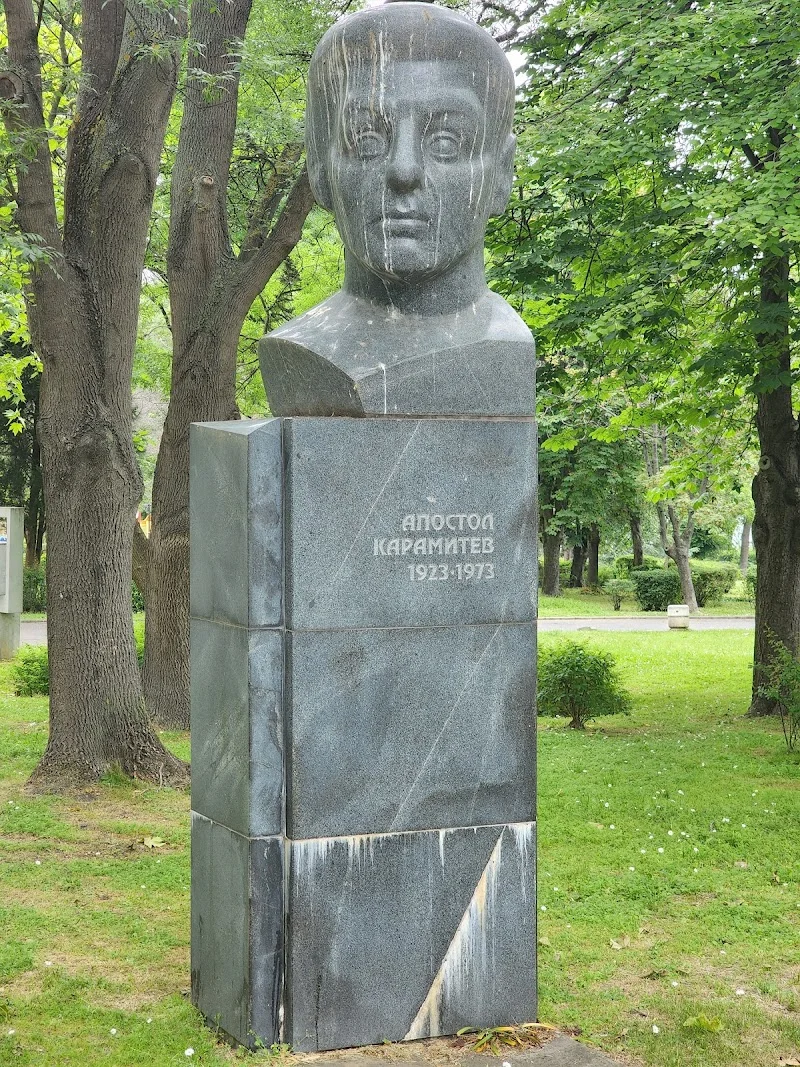
Nestled in the heart of Burgas, the Apostol Karamitev monument stands as a testament to the city's rich history and cultural heritage. Dedicated to a prominent 19th-century Bulgarian merchant and philanthropist, this striking landmark offers visitors a glimpse into the region's past, while also serving as a gathering place for locals and tourists alike to appreciate the city's architectural beauty and vibrant atmosphere.
Here is the professional English translation: This place, steeped in thousands of years of history, draws its visitors with a wide variety of opportunities for relaxation and entertainment. The archaeological treasures discovered on the site — the fortress walls of the ancient city of Therme (Thermopolis), the Roman baths from the 1st century AD with warm and cold pools, and various medieval chambers — are accessible to tourists via purpose-built modern walkways that facilitate movement and exp
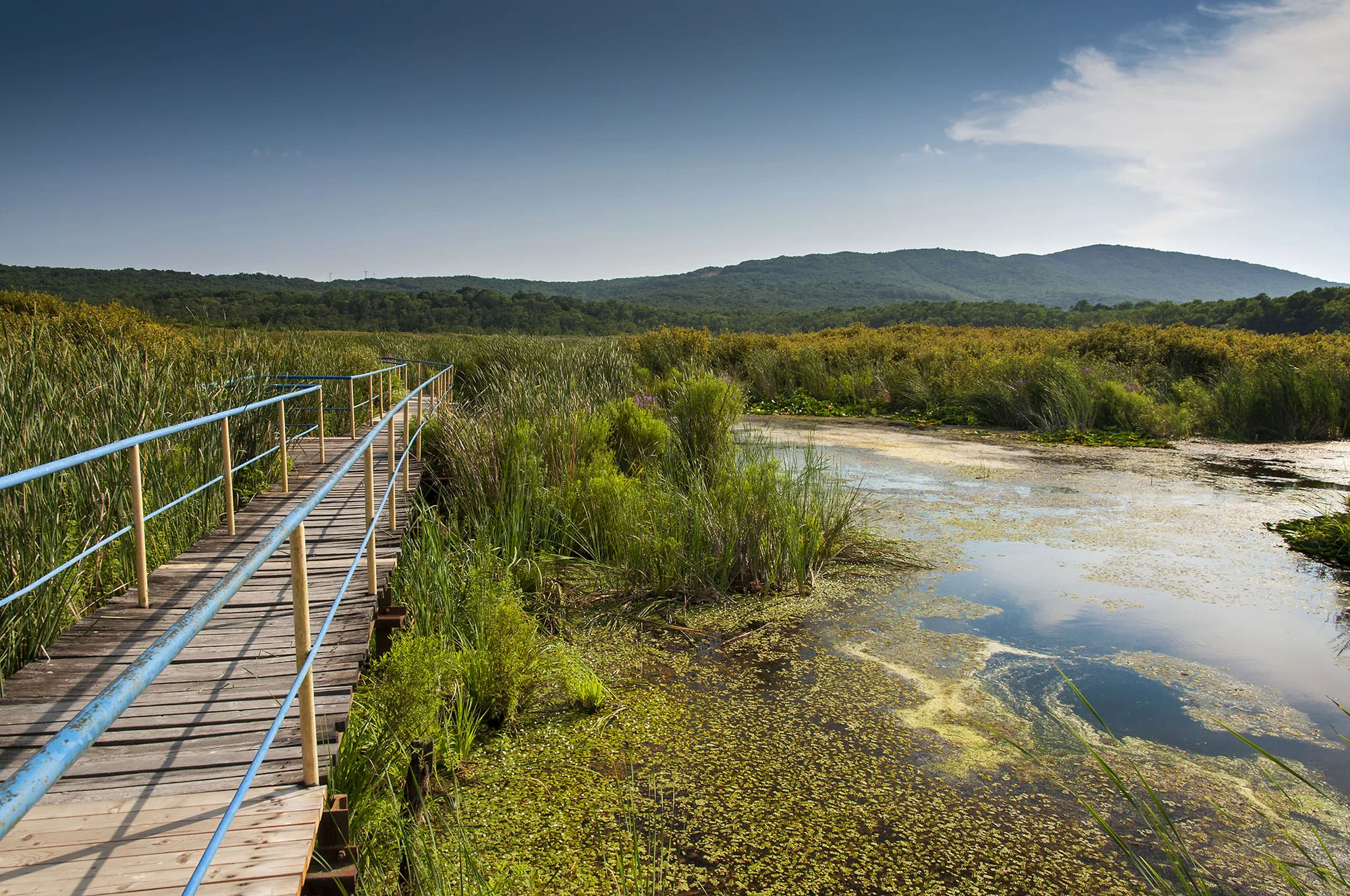
Arkutino or Mecheshkoto blato is a protected area, part of the Ropotamo reserve, known for its pure nature and rare plants, such as sand lily and the beautiful white water lily. The area includes a magnificent longose forest, sand dunes and a water area - the Arkutino swamp. Various types of duckweed, marsh snowdrop, hedgehog head, rustling are found here, and one of the richest deposits of yellow water rose is also here. Arkutino is the main intermediate stop for birds on the Via Pontica migr
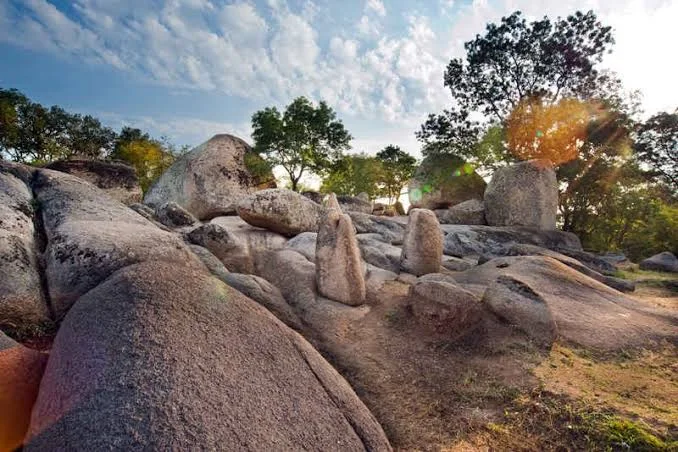
Beglik Tash is an ancient Thracian megalithic observatory and sanctuary, often referred to as the “Bulgarian Stonehenge.” It is located about 5 km from the town of Primorsko, deep within a beautiful oak forest in the Ropotamo Nature Reserve. Dating back to the late Bronze Age (14th century BC), the sanctuary was a centre of mystical Thracian rituals associated with the worship of the Sun, the Mother Goddess, and fertility.
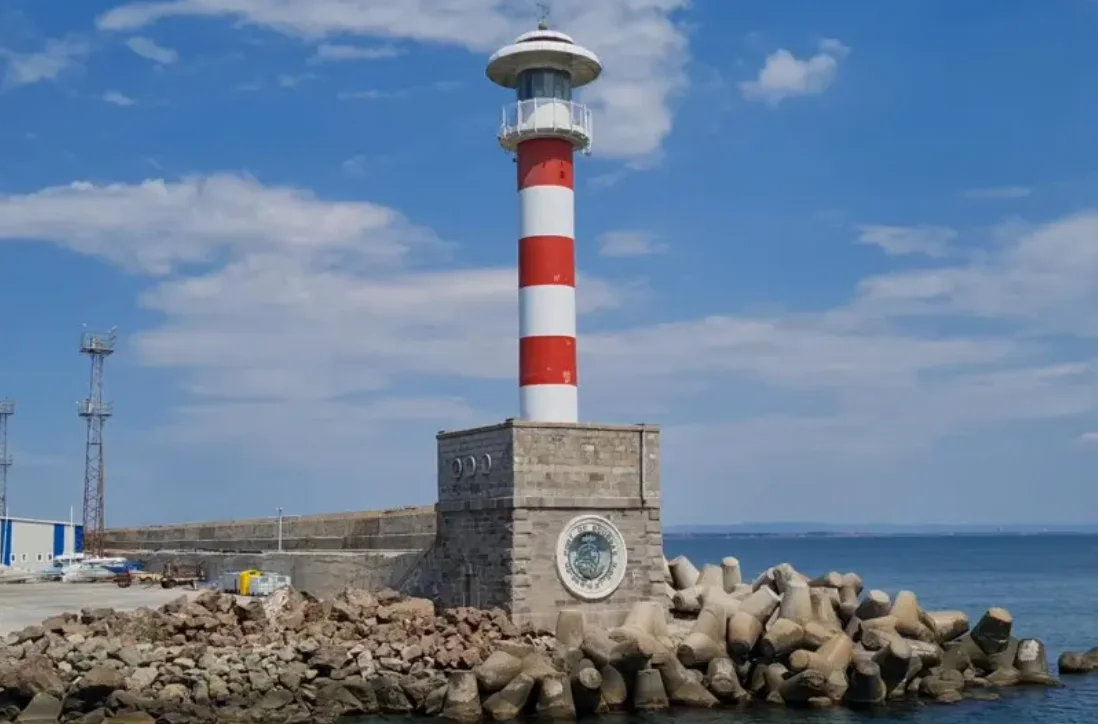
The Lighthouse is in the territory of the largest Bulgarian port – Port Burgas. It stands out due to the fact that it’s the first Bulgarian port lighthouse, lit at the end of the 19th century. The model was designed by the first double-bass player of Burgas – Sabi Denev. According to legend, the lighthouse of a seaside city must be protected, or bad things will befall the city. The tower is 14m high and the part that lights up the way for the ships is 24m above sea level. Until the present day
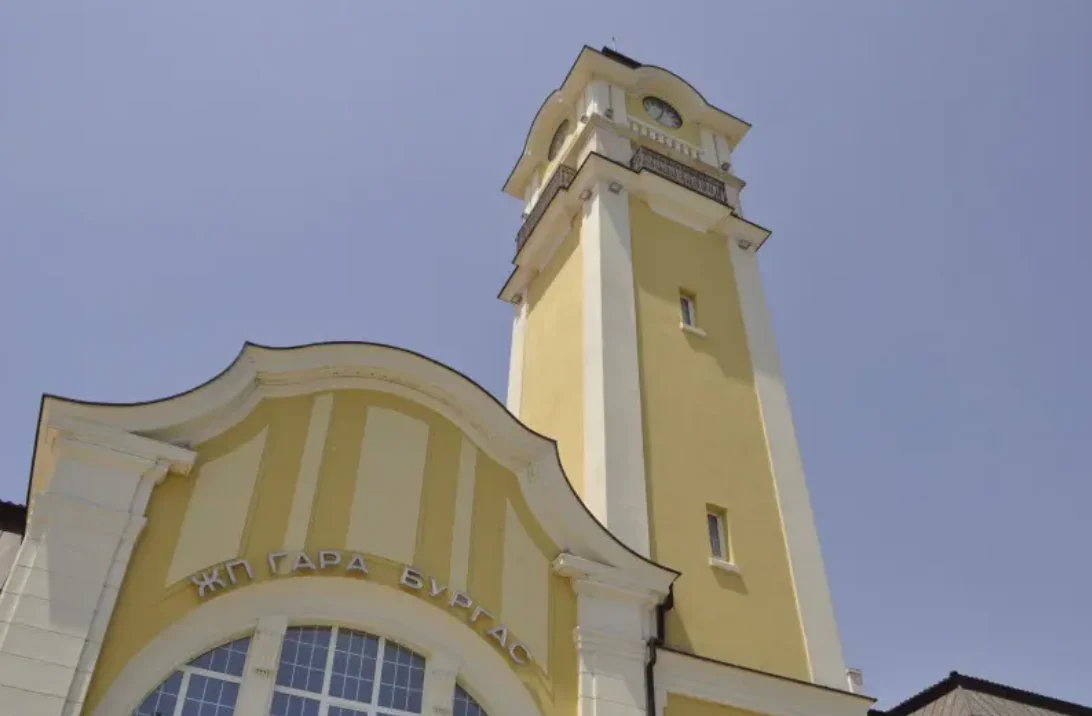
Burgas Central Railway Station is located in the centre of the city, at the beginning of the main street of the city Aleksandrovska, on the square "Tsaritsa Yoana" (also called Station Square). The location is key - close to the Sea Garden, not far from the Marine Station, Central Beach and Port of Burgas. Right next to the station is Bus station "South" with lines to all settlements on the southern Bulgarian Black Sea coast, Varna and Burgas Airport. Construction of the building began in 1908,